

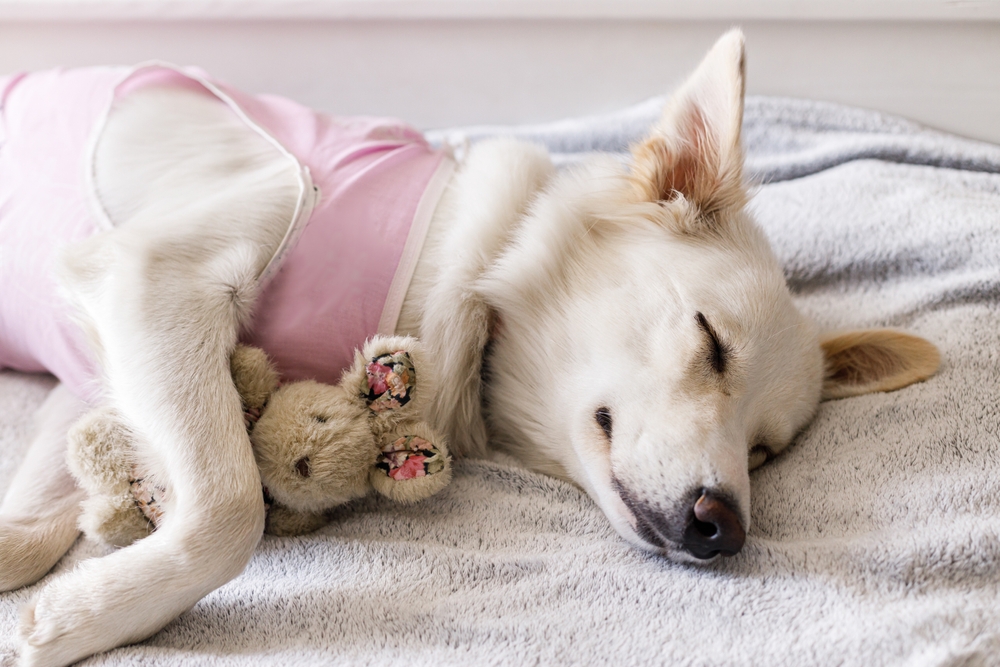
Surgery gets a lot of attention, and rightfully so, but recovery is often where the real work happens. The weeks following a procedure are when the body heals, when strength is rebuilt, and when the difference between a good outcome and an exceptional one is made. Conventional post-operative care covers pain management and incision monitoring, but integrative approaches add dimensions that medication alone cannot: targeted tissue stimulation that accelerates healing, structured movement that restores normal gait, hands-on therapies that prevent the compensatory injuries that develop when pets favor a healing limb, and pain control delivered through the body’s own healing pathways rather than only through prescription medication.
Memorial Villages Animal Hospital in Houston offers a genuinely integrated model through our Renew Pet Rehab facility, where rehabilitation services work alongside conventional medicine rather than existing in separate silos. We accept referrals from other practices as well as building integrative plans for existing and new clients without referral required. Book online to discuss what a post-surgical integrative care plan might look like for your pet.
Main Points
- Integrative recovery combines water therapy, laser, shockwave, neuromuscular electrostimulation, PEMF, acupuncture, chiropractic, and PRP alongside conventional pain management to accelerate healing across multiple pathways at once.
- Integrative care benefits soft tissue procedures (spays, mass removals, abdominal surgeries, dental extractions, wound repair) just as much as orthopedic recoveries; laser and PEMF in particular are valuable across nearly every surgical recovery.
- We use Class IV K-LASER therapy starting with at least two sessions after surgery, which measurably reduces recovery time, swelling, and pain compared to medication alone.
- The right combination of therapies depends on the procedure, the pet’s age and overall health, and how the recovery is progressing; our team builds individualized plans that evolve through each phase of healing.
What Are the Phases of Post-Operative Recovery?
Recovery from surgery happens in distinct phases, and matching the right therapies to the right phase is part of what makes integrative care effective.
Anesthesia recovery (first 6 to 24 hours): the body clears anesthetic medications. Pets are typically groggy and may sleep heavily.
Acute inflammatory phase (days 1 to 5\): the body’s natural inflammatory response brings healing cells to the surgical site. Pain management and modalities that reduce excessive inflammation (laser, gentle PEMF) shine in this window, whether the procedure was an orthopedic repair or a soft tissue surgery like a spay, mass removal, or abdominal exploration.
Proliferative phase (days 5 to 21\): new tissue forms and blood supply rebuilds. This is when underwater treadmill work, range-of-motion exercises, and acupuncture begin to play a larger role for orthopedic and neurological recoveries, and when laser sessions continue to support wound closure for soft tissue procedures.
Remodeling phase (weeks 3 to 12 and beyond): new tissue strengthens and reorganizes. Structured rehabilitation, gait retraining, and progressive strengthening drive the final quality of outcome for any procedure where movement patterns or strength have been affected.
Every pet’s timeline varies based on procedure type, age, overall health, and individual resilience. A 2-year-old dog recovering from a routine spay heals faster than a 13-year-old dog recovering from ACL surgery. The plan should match the pet, not a generic timeline. Our integrative team builds the recovery plan around your pet’s specific procedure.
Is Integrative Care Only for Orthopedic Surgeries?
Not at all. Orthopedic recoveries tend to get the most attention because the rehabilitation work is so visible (a dog learning to bear weight on a repaired leg, a cat regaining mobility after a fracture), but integrative surgery recovery makes a meaningful difference for soft tissue procedures too. Laser and PEMF in particular benefit nearly every surgical recovery, regardless of the body system involved.
Soft tissue procedures where integrative care helps:
- Spays, neuters, abdominal, and skin surgeries: K-LASER sessions reduce incision inflammation, accelerate wound closure, and lower the amount of pain medication needed in the first few days
- Dental extractions and oral surgery: laser reduces post-extraction inflammation and supports gum tissue healing, which is particularly valuable for senior pets and pets with complex extractions
- Wound repair and reconstructive surgery: laser is one of the most consistently effective modalities for accelerating skin healing, particularly in challenging locations or larger wounds
The pattern across all of these: integrative therapies reduce inflammation, accelerate healing, and provide drug-free pain support, which means many pets need less prescription medication, recover faster, and are more comfortable in the process. Even a routine surgery benefits from two or three laser sessions in the days after the procedure.
How Does Class IV Laser Therapy Speed Healing?
Laser therapy, also called photobiomodulation, uses specific wavelengths of red and near-infrared light to stimulate cellular repair, increase circulation, reduce inflammation, and provide drug-free pain relief at the surgical site. Our cold laser therapy uses Class IV K-LASER units with more than 500 milliwatts of power, which lets us treat large areas quickly and deliver enough therapeutic dose to make a measurable difference.
For post-operative recovery specifically, we recommend a minimum of two K-LASER treatments after surgery for pain management and accelerated healing. This applies across the board: spay incisions, mass removal sites, abdominal incisions, orthopedic repairs, and dental extraction sites all benefit. The effects are cumulative, and adding laser to a post-op plan measurably decreases recovery time. Sessions are typically 5 to 15 minutes, non-invasive, and well-tolerated- plus everyone gets to wear fun goggles for eye protection.
The benefits show up across the recovery picture: less swelling at the incision, faster wound closure, less pain medication needed in some cases, and a smoother overall recovery trajectory.
How Does PEMF Therapy Support Healing?
Targeted pulsed electromagnetic field (PEMF) therapy delivers low-frequency electromagnetic pulses that influence cellular function at the molecular level. The therapy improves circulation, reduces inflammation, and supports cellular repair processes across a broad range of tissues. It is non-invasive, painless, and one of the easiest modalities for anxious pets to accept because they typically feel nothing during the session beyond the comfort of lying still on a treatment pad.
For post-operative pets, PEMF is often used to:
- Accelerate bone healing after orthopedic procedures
- Support deeper tissue healing after abdominal or soft tissue surgeries where laser alone cannot reach
- Support nerve recovery after spinal or neurological surgery
- Reduce post-surgical swelling at and around the incision
- Provide drug-free pain relief for pets with medication sensitivities
PEMF combines well with every other modality we offer, which is part of why it gets included in many integrative recovery plans, including for soft tissue procedures where targeted deeper-tissue support pairs with surface-level laser treatment.
How Does Shockwave Therapy Fit Into Recovery?
Shockwave therapy uses focused acoustic energy pulses to stimulate healing in deeper tissues than laser can typically reach. It is particularly valuable for tendon and ligament injuries, bone healing after orthopedic surgery, chronic muscle tension, and certain types of arthritis. The mechanical pressure waves trigger a cascade of cellular responses that improve blood flow, recruit healing cells to the area, and break up scar tissue patterns that can otherwise interfere with normal function.
For post-surgical recovery, shockwave is often added when:
- Bone healing needs additional stimulation, particularly after fracture repair
- Soft tissue injuries alongside the surgical site need direct attention
- Chronic scar tissue or adhesions are limiting range of motion, including adhesions that develop after abdominal procedures
- Tendon or ligament involvement is part of the surgical picture
- Slow-healing surgical wounds are not responding adequately to laser alone
Sessions take only a few minutes and most pets tolerate them well with mild sedation if needed. The number of sessions varies; some pets need only a few, others benefit from a series spaced over weeks.
How Does Neuromuscular Electrostimulation Rebuild Muscle?
After surgery, muscle atrophy can develop quickly in any limb or area where movement is restricted. Neuromuscular electrostimulation (NMES) uses small, controlled electrical impulses to activate muscle fibers directly, which preserves muscle mass and rebuilds strength during the period when normal exercise is not yet possible.
NMES is particularly valuable after:
- Orthopedic surgeries where the affected limb cannot bear normal load yet
- Spinal procedures where signaling between the nervous system and muscles is recovering
- Abdominal surgeries that require extended cage rest and reduce core muscle conditioning
- Long periods of cage rest where general muscle conditioning has declined
- Complex recoveries in seniors whose baseline muscle mass was already limited
The sensation is gentle and most pets accept treatments comfortably after a brief introduction. NMES integrates naturally with underwater treadmill work and manual therapy as part of a complete strengthening program.
How Does Acupuncture Support Post-Surgical Recovery?
Veterinary acupuncture supports recovery by modulating pain signaling, reducing inflammation, improving blood flow to healing tissues, and promoting the relaxation that lowers stress hormones (which themselves can impair healing). Our chiropractic and acupuncture services include traditional needle acupuncture, electroacupuncture (where small currents enhance the stimulation), and aquapuncture (where small amounts of fluid extend the duration of point stimulation).
Acupuncture is particularly valuable for:
- Pets with complex or chronic pain who need multimodal support
- Pets who cannot tolerate standard pain medications due to kidney or liver disease
- Post-abdominal surgery recoveries where the visceral discomfort can be difficult to address with medication alone
- Nursing mothers after C-section where medication options are limited because of nursing offspring
- Neurological recoveries where the nervous system itself needs gentle stimulation
- Senior pets whose overall systems benefit from the balancing effects of treatment
Most pets tolerate sessions calmly and many become visibly relaxed once needles are placed. The needles are extremely fine, and the sensation of placement is minimal.
How Does Chiropractic Care Help After Surgery?
Chiropractic adjustments address the alignment compensations that develop when pets favor a healing limb or shift their posture to protect a surgical site. A dog recovering from a left rear leg surgery, for example, frequently develops tension and misalignment through the lumbar spine and right hip from compensating, and those compensations can persist long after the original surgery has healed unless they are addressed directly. The same pattern can develop after abdominal surgery when pets hold themselves stiffly to protect the incision, leading to muscle tension and postural changes that linger after the incision itself has healed.
Signs a pet might benefit from chiropractic care during or after recovery:
- Difficulty jumping or navigating stairs, especially compared to before surgery
- Uneven leg use or holding the tail to one side
- Decreased appetite or play interest that is not explained by pain medication
- Behavioral changes like irritability with handling
- Bad posture, hunching, or lameness that persists beyond expected healing
- Recurring soft tissue tension in specific areas
Adjustments typically take 10 to 15 minutes, with the veterinarian focusing on one vertebra at a time and addressing only joints that are out of alignment. Pets do not need to lie on a table; they can stand or sit comfortably for the work. Most pets find the adjustments feel good, and improvement is often immediate, though chronic compensations may take several sessions to resolve fully.
How Does PRP and Regenerative Medicine Fit Into Recovery?
PRP and other regenerative therapies use the patient’s own cells to heal and repair damaged tissues, which means there are no side effects from the treatment itself and no risk of allergic reaction. Platelet-rich plasma is prepared from a concentrated sample of the pet’s own blood, then injected directly into injured or damaged areas where the high concentration of growth factors accelerates healing.
PRP is particularly valuable for:
- Post-operative joint pain that persists after standard recovery
- Arthritis in joints adjacent to or affected by the surgical procedure
- Soft tissue injuries involving ligaments, tendons, and muscles
- Chronic joint pain including dysplasia-related inflammation
- Chronic wounds or burns that are slow to heal, including surgical wounds that have not closed normally
- Inflammation and discomfort in tissues that have not responded to other approaches
The benefits include joint space lubrication, preservation of remaining cartilage, increased natural production of protective compounds (hyaluronic acid, chondroitin sulfate, collagen), and decreased inflammation and pain. For chronic conditions, PRP can be used as a long-term treatment plan with sessions spaced based on response.
How Does Underwater Treadmill Therapy and Rehab Support Recovery?
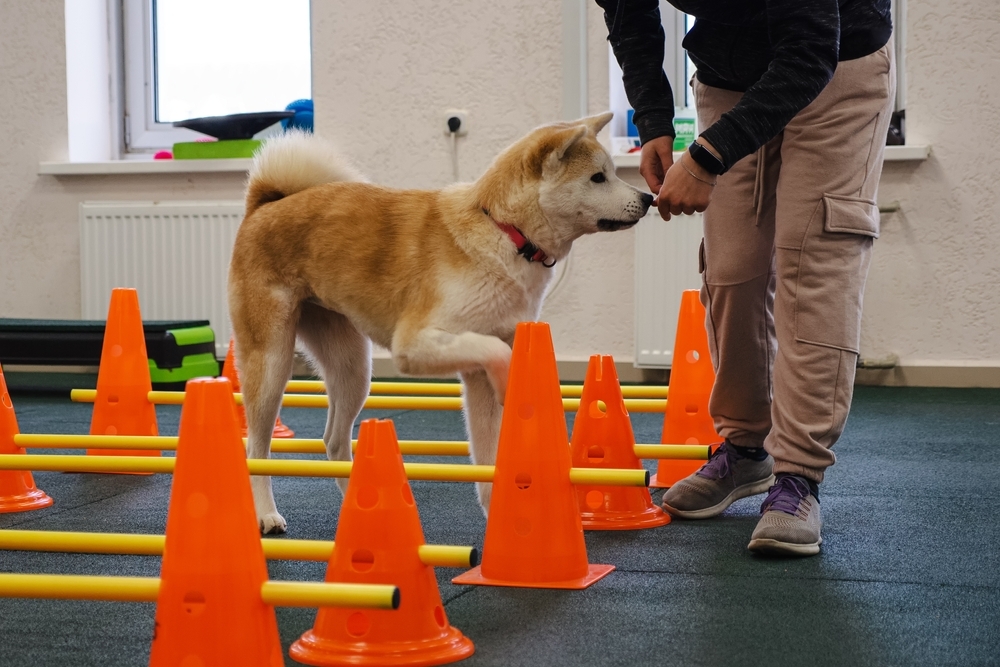
Veterinary physical rehabilitation using underwater treadmill therapy is one of the cornerstones of our integrative approach for orthopedic and neurological recovery. The buoyancy of water reduces the percentage of body weight a pet has to bear while walking, which makes early movement safer and more comfortable. The resistance of water simultaneously builds muscle in a way that flat-ground walking cannot.
What this means in practice:
- Post-TPLO and other orthopedic recoveries: pets can begin weight-bearing exercise earlier than they could on land, which preserves muscle mass during the period when activity is otherwise restricted
- Post-abdominal surgery reconditioning: pets who have been confined for several weeks can rebuild core strength and overall conditioning in a low-impact environment
- Neurological recovery: water supports pets whose proprioception (body awareness) is impaired, letting them practice normal gait patterns safely
- Arthritic seniors: water reduces joint loading enough that pets who cannot tolerate ground exercise can still build strength
- Cardiovascular conditioning: gentle water exercise builds endurance without the impact that compromises healing tissues
Sessions are gradual and progressive. Most pets adapt to the treadmill faster than families expect, and many seem to enjoy the work once they understand what we are asking for.
How Do You Build a Personalized Integrative Recovery Plan?
The best recovery plan is one designed for your specific pet’s procedure, temperament, and healing trajectory. The components vary by case but generally include:
- Initial post-op visit within 24 to 48 hours after discharge for early monitoring and the first laser or PEMF session
- Comprehensive mobility and pain assessment at Renew Pet Rehab to establish baseline measurements
- Integrative therapy schedule matched to procedure type and recovery phase, layering modalities for maximum benefit
- Home exercise program with specific instructions for each phase of recovery (for procedures where structured movement is part of recovery)
- Pain management adjustments as your pet progresses, often allowing reduction in prescription medications as integrative therapies take effect
- Activity progression milestones with clear criteria for advancing
- Long-term monitoring for procedures with extended healing windows or chronic underlying conditions
Our team coordinates the various components of the recovery plan so the pieces work together rather than competing for the pet’s bandwidth.
Frequently Asked Questions About Integrative Post-Op Care
Do I need a referral from my regular vet to use Renew Pet Rehab?
No. We accept referrals from other practices, but existing and new clients of Memorial Villages Animal Hospital can build integrative care plans without needing a separate referral. We are happy to coordinate with your primary vet either way.
Is integrative care worth it for a routine spay or neuter?
Yes, particularly the laser component. Two K-LASER sessions after a spay or neuter measurably reduce inflammation at the incision, accelerate wound healing, and often mean less pain medication is needed. It is one of the easiest add-ons to recommend for routine surgeries.
When should integrative therapies start after surgery?
Often within the first few days. Laser and PEMF in particular are beneficial in the early inflammatory phase, while underwater treadmill and active rehabilitation typically begin once initial healing is established. Our team builds the timeline around your pet’s specific procedure.
Can older pets handle integrative therapies?
Yes, and seniors are often the best candidates because they tend to have less reserve to recover on rest alone. Modalities like laser, PEMF, and acupuncture are particularly gentle and well-tolerated even in pets with multiple concurrent conditions.
How many sessions does a typical post-op recovery need?
It varies by procedure. A routine spay recovery might involve just two laser sessions. A mass removal might add one or two more. A TPLO recovery typically includes several months of weekly underwater treadmill plus laser, PEMF, and occasional shockwave. We map out the plan during the initial assessment so you know what to expect.
Is integrative care covered by pet insurance?
Many policies do cover rehabilitation and integrative therapies, particularly when prescribed following a surgical procedure. Coverage details vary by plan, and we are happy to provide the documentation your insurance company needs.
Supporting Your Pet’s Full Recovery
Integrative post-operative care helps pets heal faster, feel better, and regain strength more completely. The combination of conventional pain management, structured rehabilitation, and complementary therapies addresses recovery from every angle, and the difference shows up in both speed of recovery and the quality of long-term function, whether the surgery was a major orthopedic procedure or a routine soft tissue operation.
If your pet is preparing for surgery, recovering from a recent procedure, or struggling with incomplete recovery from an older surgery, contact us. We will evaluate where things stand and build a plan that gives your pet the best possible outcome.




Leave A Comment