

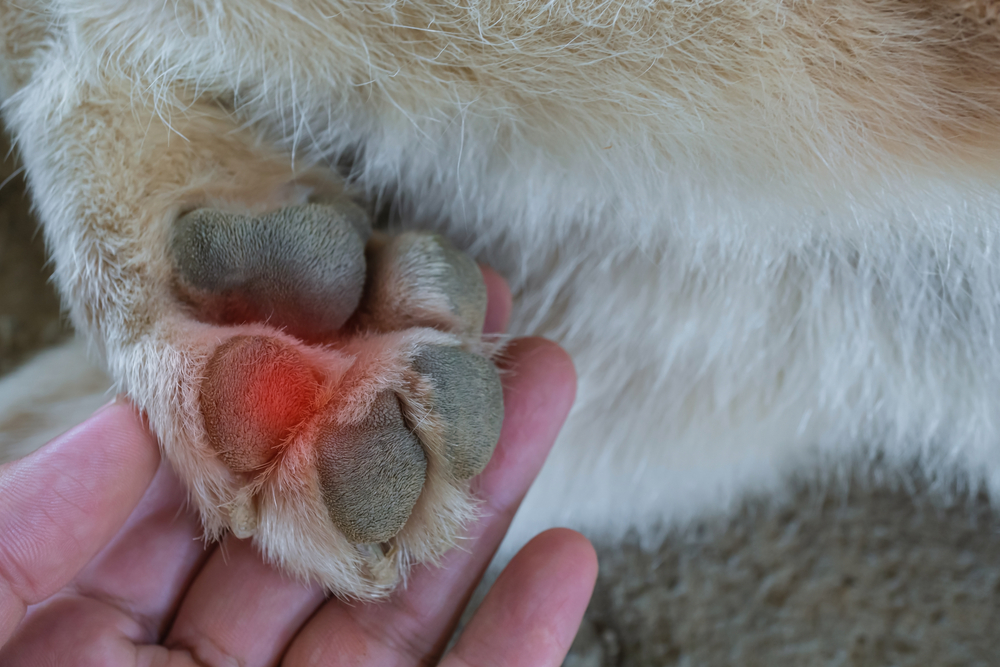
A dog who comes off a Texas trail with a sore paw, a fresh cut, or panting that will not settle leaves you with a triage call: watch it overnight, get to a veterinarian today, or treat it as an emergency on the spot. The hazards most likely to force that call are heat, torn or burned paw pads, venomous snakes, and the small cuts and stings that quietly become infections. Because a dog in motion rarely shows pain, the first sign of trouble often waits until you are back at the trailhead or settled in for the night, so a slow nose-to-tail check after every hike, with extra attention to paws, belly, and armpits, catches most problems while they are still small.
Memorial Villages Animal Hospital treats the aftermath of trail days regularly, from split paw pads to sting reactions that doubled in size on the drive home. Wound care for cuts and pad injuries, in-house X-rays for a limp that is not improving, and bloodwork for a dog who overheated are all part of urgent care for dogs in Houston, so call ahead and our team will be ready the moment you arrive. When an orthopedic injury develops or if you’re trying to prepare for a big adventure, our rehabilitation for dogs helps build the muscle they need to recover or prevent injury. Before the next big hike, reach out to schedule a pre-season trail-readiness exam. If trouble strikes after we have closed for the day, head straight to the nearest 24/7 veterinary ER.
Four Things to Know Before the Trailhead
- Paws take the most trail hits: hot rock, sharp gravel, thorns, and barbed seeds all land there first.
- Heat is the most dangerous hazard and the easiest to underestimate, especially once Houston humidity joins the temperature.
- A suspected venomous snakebite is a get-to-the-car-now emergency, so it helps to know which snakes share the trail before you head out.
- Dogs push through pain, so a careful once-over at the car catches most problems while they’re still small.
Which Trail Hazards Actually Send Texas Dogs to Urgent Care?
The trail cases we treat cluster into four groups: pad injuries, heat stress, snakebites, and small wounds or stings that get infected. Most need same-day attention, and a few are true emergencies. The earliest signs of pain are usually a change in gait, a lowered tail, reluctance to keep going, or licking at one spot, often well before an injury is visible, so the right move is to stop and check rather than push for the summit.
| Hazard | Injury it tends to cause | Your first move |
| Hot rock or asphalt | Burned pads | Stop, cool the paw, turn back |
| Sharp gravel, thorns | Cuts and punctures | Rinse, apply pressure, wrap |
| Foxtails, goatheads | Embedded seeds | Check between the toes, do not dig |
| Heat and humidity | Heatstroke | Shade, cool water, get in fast |
| Venomous snake | Bite and swelling | Carry to the car, go to the ER now |
| Fire ants, bees | Multiple stings | Move off, watch for a reaction |
| Loose rock, big leaps | Sprains, cruciate tears | Rest, stabilize, book an exam |
When Should You Head Straight In?
Trail injuries fall on a spectrum, and most sit in the middle: deep pad cuts, a migrated foxtail, a limp that won’t quit, a wound that isn’t healing, and moderate heat stress are all everyday urgent care, not watch-overnight problems. Calling ahead lets our team talk through what you’re seeing, and for anything that needs overnight monitoring or a specialist, we’ll get you to the right facility. When heat, a snakebite, or steady bleeding is in the picture, the early call almost always beats waiting, so call us for guidance or emergency care instead of watching and hoping.
What Are the Most Common Paw Hazards on a Texas Trail?
Paws are the single most common trail-injury site. On a Texas route that means hot limestone, jagged gravel, thorns, and barbed seeds, with heat burns, cuts, punctures, and embedded plant material topping the list.
Two Texas standouts do their damage by burrowing rather than sitting on the surface. The barbed awns of foxtails move one direction only, so once they lodge between the toes they burrow inward and can travel deep enough to need surgical removal. Goatheads, the spiky seeds of the puncturevine, pull the same trick with a hard thorn that drives straight into a pad.
How Do You Prepare Your Dog’s Paws Before a Hike?
A little prep at home keeps most pad trouble off the table. Protecting paws starts before the trailhead: press the back of your hand to the rock for five to seven seconds, and if it’s too hot for your skin, it’s too hot for pads. Trim the nails so they grip and don’t split, condition soft city pads with a few weeks of rough-surface walking, and pack well-fitted booties for long rocky or hot routes.
What Should You Check on Your Dog’s Paws After a Hike?
Give each foot a real look at the car, not just a quick glance. Spread the toes to check the webbing for seeds and grit, run a finger over every pad for cuts or burns, and feel each nail for a split. Anything that looks worse the next morning is worth watching, since a small puncture can close over a lodged thorn.
What Do You Do About a Paw Injury on the Trail?
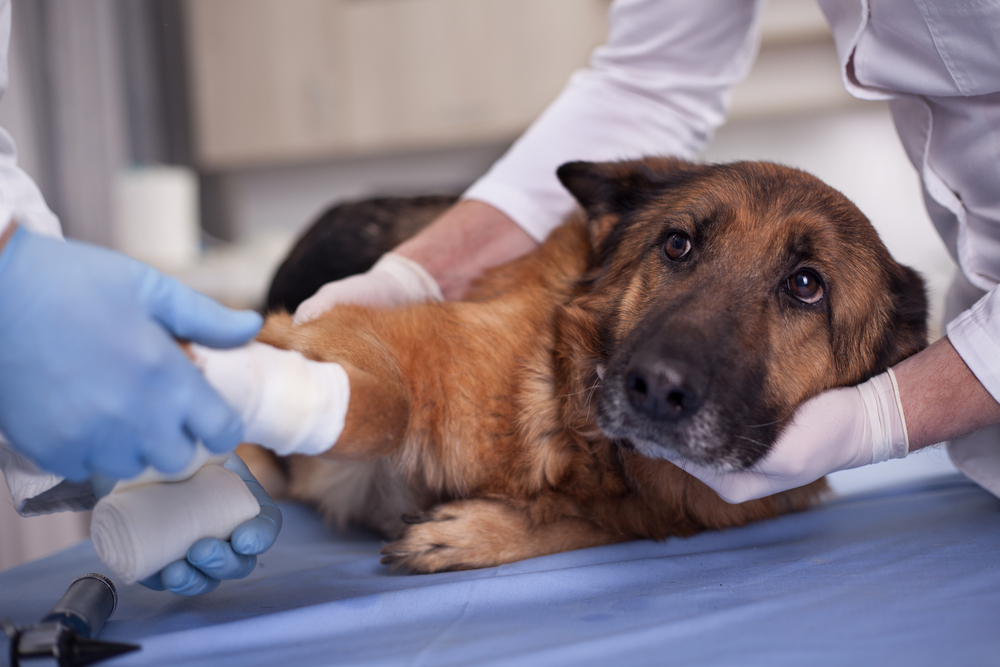
Stop the moment you notice a limp, rinse the pad with clean water, press a clean cloth against any bleeding, and wrap the foot well enough to reach the car. A torn nail or split quick can bleed more than you’d expect, and a pinch of styptic powder clots it within seconds. Deep pad cuts, bleeding that won’t stop, an embedded object, or a wound not healing within a day all call for same-day urgent care.
Why Is Heat the Most Dangerous Texas Trail Hazard?
Heat causes the trail emergencies that escalate fastest, and it can cross from warm-and-panting to life-threatening in under 30 minutes on a humid Houston afternoon. Flat-faced breeds, seniors, and overweight dogs reach that line soonest, since panting is the only real cooling system a dog has.
Heat safety on a Texas trail comes down to hiking in the cool hours and treating bright-red gums, wobbliness, or collapse as an emergency that’s already started. Once you’ve made it through half your water, it’s time to turn around.
| Conditions | The trail call | What to do |
| Under 70°F, low humidity | Most dogs are fine | Normal breaks and water |
| 70 to 85°F | Shorten it, watch closely | Shade stops every 15 to 20 minutes |
| Over 85°F or humid | Skip it for at-risk dogs | Dawn only, or stay home |
The cool-down matters as much as the timing. Use cool, not ice-cold, water on the belly, armpits, and paws, add airflow, and skip the ice bath, which can backfire by causing surface blood vessels to constrict and retain heat. Build an exit plan into every hot-weather hike so you’re never far from shade or the car. For a dog who overheats during our open hours, start that cool-down, then call us on your way in so we’re ready when you pull up.
What Wildlife, Plants, and Insects Put Texas Dogs at Risk?
Texas trails put your dog within range of wildlife, plants, and insects a neighborhood walk never does. Most of it stays manageable with a leash and a bit of awareness, but venomous snakes are the time-critical exception.
Which Snakes and Wildlife Should You Watch For?
Keeping your dog leashed and on marked trails is the best protection against everything from raccoons to a startled skunk, and a little noise as you walk gives most animals time to slip away. A skunk spray is miserable but rarely dangerous; a snake is the one that changes the plan. Venomous snake safety matters most on Texas trails, where copperheads, rattlesnakes, cottonmouths, and coral snakes all live, and a suspected bite is a carry-your-dog-to-the-car emergency rather than a wait-and-see.
Which Texas Plants Are Dangerous?
Plant trouble comes in two kinds: the kind that irritates skin, like poison ivy brushed across a belly, and the kind that’s toxic if your dog grazes. Cactus spines and their tiny glochids lodge deep into a muzzle or paw and often need careful, sometimes sedated removal rather than a quick pull on the trail. Discourage eating plants, and snap a phone photo for a quick plant ID if your pet does eat one. Jimson weed, hemlock, and lantana berries can all cause serious side effects when eaten. When you’re unsure what went down, the Pet Poison Helpline (855-764-7661) can help you decide between watch-at-home and come-in.
Which Insects and Arachnids Should You Watch For?
Fire ants swarm the moment a dog disturbs a mound and deliver dozens of stings in seconds, so a dog who suddenly jumps and bites at their legs should be moved off and checked. Bees and wasps pile on just as fast near a nest. Texas also has spiders and scorpions whose bites cause real pain and swelling, and ticks are a year-round concern here, which is why steady prevention matters. A sting or two usually settles on its own, but facial swelling, spreading hives, vomiting, or any trouble breathing means being seen right away.
What Should Texas Hikers Know About New World Screwworm?
New World screwworm is a parasitic fly whose larvae feed on the living tissue of an open wound, and its move northward has made prompt trail-wound care more important for Texas dogs than it’s been in years. Almost any break in the skin can be a doorway: a trail cut, a torn nail, a thorn puncture, a tick-bite site, even a healing incision. Watch for a wound that oozes, smells foul, or grows larger and rawer instead of closing, sometimes with visible movement in the tissue. Prevention is straightforward: keep wounds clean and covered, and stay current on parasite prevention. A wound that won’t heal is something our team wants to see sooner rather than later, since these cases respond well when caught early.
What About Orthopedic Injuries From Trail Tumbles?
Steep descents, loose rock, and leaps off boulders are where orthopedic injuries happen, and most sit in the urgent-but-not-overnight middle ground. The right response is usually rest, gentle support, and an exam, not a trailside splint that can do more harm than good. Strains and sprains are the most common and often improve with a few quiet days at home.
A cruciate ligament injury tends to happen on a hard pivot or a leap off a rock, showing up as a dog that suddenly holds up a back leg. A true break is rarer but obvious, and the trailside goal is only to stabilize and move: support the limb, keep your dog still, and carry rather than let them walk on it. Back with us, an exam and X-rays show what’s going on, and if a repair like cruciate surgery is the answer, we’ll point you to the right specialist and handle pain management and rehabilitation afterward, including underwater treadmill work when it helps.
What Water Hazards Should You Plan For?
Trails near Texas lakes, rivers, and stock tanks add water hazards, and the most dangerous by far is toxic algae. Blue-green algae blooms across warm Texas lakes and stock tanks every summer, and a few mouthfuls can be fatal within hours. Fast or deep water is the next concern for a dog who loves to launch off a bank without reading the current. Because a lake can look clear one week and be posted the next, check current local advisories before you load up the car.
How Can You Lower the Odds Before You Go?
The dogs we see least after hikes belong to families who prepped.
- Pack a well-fitted harness, a leash you trust, booties for rough ground, and a small first-aid kit
- Build fitness over several weeks rather than the night before
- Confirm the ID tag and microchip registration are current
- Read the trail’s rules and the forecast before you leave
A little pet first aid know-how before the season means you can rinse a wound, wrap a paw, or start cooling on the trail instead of freezing when it counts. A pre-season wellness visit is the easy win here, getting vaccines and parasite prevention current before the first big outing.
What Belongs on a Quick Post-Hike Check?
Back at the car, give your dog a five-minute once-over before the drive home:
- Recheck the paws for thorns, cuts, or grass awns, and watch the legs for a new limp
- Run your hands through the coat for burrs, ticks, stings, or hidden cuts, paying extra attention to the belly and armpits
- Look in the ears and eyes for seeds and debris
- Note any dog who skips dinner or seems lethargic
Some trouble, from a migrating seed to a slow-brewing infection, shows up one to three days later, so keep watching.
Frequently Asked Questions About Texas Trail Injuries in Dogs
What Temperature Is Too Hot to Hike With My Dog?
There’s no single cutoff, but a good rule around Houston is to get cautious above 70°F and skip midday hikes once it climbs past 85°F, especially with humidity. Flat-faced breeds, seniors, puppies, and heavier dogs need extra caution at lower temperatures than that. Rock and pavement heat up faster than the air, so the back-of-the-hand test matters as much as the thermometer.
Should a Dog Limping After a Hike Be Seen?
A mild limp that clears within a few hours of rest is often just soreness. But one that lasts more than a day, comes with swelling, or has your dog refusing to bear weight deserves a look, since it can mean a deep pad cut, a migrated seed, a sprain, or a cruciate tear.
What Should I Do if My Dog May Have Been Bitten by a Venomous Snake?
Treat it as an emergency from the first second. Keep your dog as calm and still as you can, carry rather than walk them to the car, and get to the nearest open emergency veterinary hospital right away, calling ahead so the team can prepare. Do not cut, suck, ice, or apply a tourniquet to the bite, and do not wait for swelling to prove it was venomous. Not every emergency hospital carries anti-venom, so calling ahead helps make sure you’re heading to the right place.
Building Trail Safety Into Every Outing
A safe trail day comes down to the unglamorous parts: ready paws, smart timing around the heat, respect for snakes, prompt wound care, and a careful check afterward, because your dog won’t tell you when something is wrong. Most trail injuries are preventable, and the ones that slip through are usually fixable when we catch them early. Before the next big hike, request an appointment at Memorial Villages Animal Hospital in Houston to get your dog trail-ready.





Leave A Comment