
Repairing Eyelids in Pets: How Veterinarians Correct Entropion and Ectropion
Why Is My Pet Squinting and Rubbing Their Eyes?
Does your dog keep squinting at you with one eye half-closed, or has your cat started leaving little tear trails on everything they sleep on? Maybe you have noticed pawing at the face, redness that was not there before, or a sensitivity to light that has your pet ducking away from sunny windows. These are not quirks to wait out. When eye discomfort keeps showing up, it is worth finding out why, because the cause is often more treatable than you might expect.
Two of the most common structural eye problems in dogs and cats are entropion (where the eyelid rolls inward) and ectropion (where it droops outward). Both can cause constant irritation, pain, and if left alone, real damage to the surface of the eye. The good news is that both are highly correctable with the right veterinary care.
At Memorial Villages Animal Hospital, we take an uncommonly comprehensive approach to eye problems, combining thorough diagnostics with individualized surgical and treatment plans. Our team in Houston, TX, will walk you through every finding and every option so you feel confident about your pet’s care. If you are noticing changes in your pet’s eyes, please schedule an appointment so we can take a closer look.
What Are Entropion and Ectropion?
What Is Entropion?
Entropion is a condition where the eyelid edge rolls inward, causing fur and lashes to scrape against the cornea with every blink. As you can imagine, that hurts. It causes tearing, redness, discharge, and over time can lead to scratches or ulcers on the corneal surface. Entropion in dogs is one of the more frequently diagnosed eyelid conditions, and it can be hereditary, developmental, or triggered by other eye problems that make the lid squeeze tighter.
What Is Ectropion?
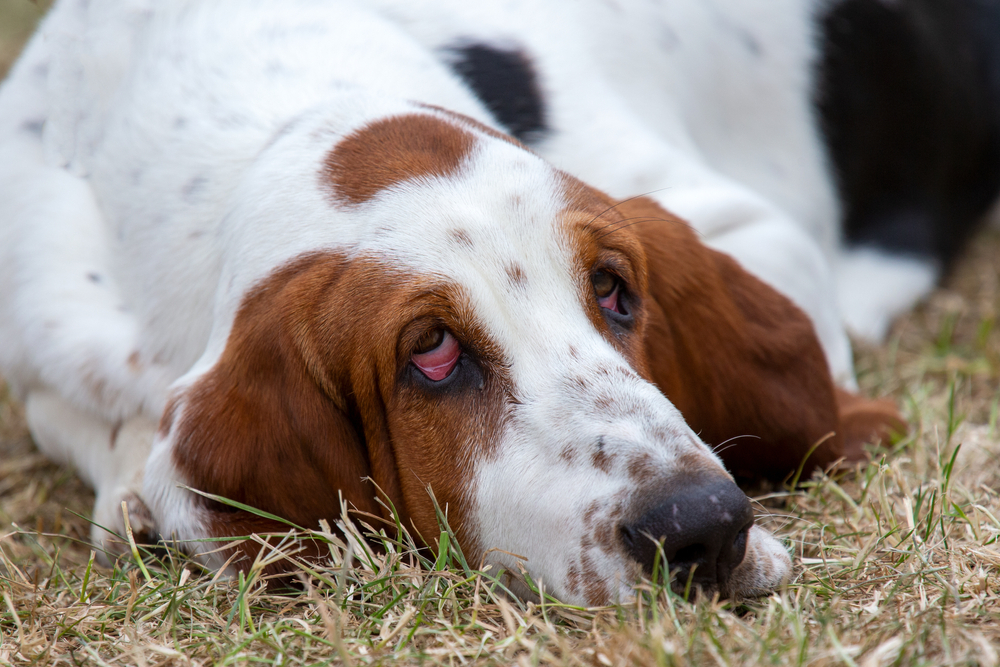
Ectropion is essentially the opposite. The eyelid sags or droops outward, exposing the inner lining to air, dust, and bacteria. That exposed tissue acts like a pocket where debris collects, leading to chronic redness, tearing, and recurring infections. Large, loose-skinned breeds are most commonly affected, but any dog or cat can develop it.
Accurate diagnosis matters because multiple eye issues can overlap. Both conditions are among the common eye conditions veterinarians evaluate, and a proper exam looks at eyelid position, tear production, and corneal health together. Our services include comprehensive eye evaluations supported by imaging and anesthesia safety protocols when surgery is indicated.
Which Breeds Are Most at Risk for Eyelid Problems?
Genetics and facial structure play a big role in who develops eyelid abnormalities. Extra facial skin, prominent eyes, deep-set eyes, and loose tissue all increase the likelihood.
Breeds commonly linked with entropion:
- Shar-Peis
- Chow Chows
- English Bulldogs
- Rottweilers
- Great Danes
- Saint Bernards
- Mastiffs
- Spaniels
In cats, flat-faced breeds like Persians and Himalayans are at higher risk because their shortened facial structure changes how the eyelids sit against the eye. Flat faced dogs like Pugs and Frenchies can develop “medial canthal entropion” where their lower eyelid rolls inward in the corner of their eye.
Breeds commonly linked with ectropion:
- Bloodhounds
- Basset Hounds
- Saint Bernards
- Cocker Spaniels
- Great Danes
- Newfoundlands
Some breeds can actually develop both conditions at the same time, a presentation sometimes called “diamond eye,” where the upper lid rolls inward while the lower lid droops outward, creating a diamond-shaped opening that leaves the eye poorly protected from every angle.
Beyond breed, other contributing factors include age-related tissue loosening, chronic eye inflammation, previous injuries, and pain-induced squinting that can temporarily mimic entropion (called spastic entropion).
Puppy and kitten exams are a great time to flag eyelid shape concerns and discuss breed-specific risks before problems develop.
What Symptoms Mean It Is Time for an Eye Exam?
If your pet is squinting, tearing excessively, rubbing their face, or if the eye looks red, cloudy, or different than usual, schedule a visit. Subtle changes matter because corneal damage can escalate quickly, and recognizing signs of eye pain early makes a significant difference in outcomes.
Warning signs to watch for:
- Excessive tearing, discharge, or tear staining
- Squinting, partial eye closure, or light sensitivity
- Redness of the eyelids or visible irritation
- Pawing at the face or head shaking
- A rolled-in or drooping eyelid margin
- Cloudiness, color changes, or visible scratches on the eye surface
Cats are especially good at hiding discomfort, so even small shifts in behavior, like avoiding bright rooms or grooming one side of the face more than the other, are worth checking. If you are seeing any of these signs, you can book online for a eye visit so we can protect your pet’s vision.
What Happens If Eyelid Problems Go Untreated?
This is an important question, because eyelid conditions that seem manageable can cause serious secondary problems over time.
With untreated entropion, the constant friction of lashes against the cornea can lead to corneal ulcers, which are painful open sores on the eye surface that can become infected and threaten vision. Chronic irritation also causes scarring and pigmentation changes on the cornea that may not fully reverse even after surgery. The longer lashes rub unchecked, the more complicated the repair becomes.
With untreated ectropion, the exposed lower lid tissue dries out and becomes vulnerable to dust, debris, and bacteria. This leads to chronic conjunctivitis, recurrent infections, and persistent eye discharge that never fully clears up because the structural cause is still there.
In either case, early intervention leads to simpler surgery, faster recovery, and better long-term outcomes. If your pet is showing symptoms, please contact us sooner rather than later.
How Do Veterinarians Diagnose Eyelid Problems?
A thorough eye exam combines observation, simple in-clinic tests, and magnification. The key is distinguishing between spasm from pain or irritation and a true structural eyelid problem, because the treatment is different.
What we assess:
- Eyelid position before and after numbing drops. A topical anesthetic relaxes pain-related squinting so we can see the true eyelid shape underneath. This is one of the most important ocular tests for distinguishing spastic entropion from structural entropion.
- Tear production to rule out dry eye, which can worsen eyelid problems.
- Corneal health using a safe fluorescent dye to detect scratches, ulcers, or other surface damage.
- Lash evaluation. Eyelash problems like extra lashes (distichiasis) or misdirected lashes (trichiasis) can mimic or worsen entropion, and they need to be identified before planning any surgical correction.
- Facial structure to understand how the eyelid fits the eye and what correction will work best.
What Are the Treatment Options?
Temporary Measures: Tacking and Medical Management
Not every case requires immediate surgery. For growing puppies whose faces are still developing, or for pets whose eyelids are rolling inward because of pain from another eye problem, temporary tacking can provide relief while we wait for the underlying situation to stabilize.
Temporary eyelid tacking uses small sutures to hold the eyelid in a more normal position. It can be repeated if needed, and permanent correction is considered once the anatomy has settled. This approach avoids operating on a face that is still changing shape.
Our services include both temporary and permanent solutions, always with safety and comfort as the priority.
Permanent Surgical Repair
When the eyelid condition is clearly structural and the pet has finished growing, definitive surgery offers a lasting fix. The specific technique depends on the species, breed, severity, and whether the upper lid, lower lid, or both are involved.
For entropion, the most common approach removes a small crescent of skin and muscle to roll the lid outward into a normal position. For ectropion, the procedure shortens or reshapes the lid to reduce the droop. Some pets, especially those with heavy facial folds or diamond eye, need staged or combination procedures. Careful planning and precise eyelid surgery techniques reduce the risk of overcorrection, which is something we are very mindful of. A conservative first correction with the option for minor adjustment later is almost always preferable to overdoing it.
Customized anesthesia protocols and continuous monitoring ensure your pet’s safety and comfort throughout the procedure.
Special Considerations for Cats
Cats often present differently than dogs when it comes to eyelid problems. Entropion in cats frequently develops later in life rather than at birth and may appear alongside other eye surface conditions. Cats sometimes need a combination of surgical techniques that adjust eyelid shape, provide corner support, and address corneal health at the same time.
Our team creates feline-specific plans with gentle handling and thorough pain control. If you have questions about your cat’s eyes, contact us and we are happy to talk it through.
What Happens on Surgery Day?
We know surgery day can feel stressful, so here is what to expect so there are no surprises.
- Pre-surgical evaluation, often including bloodwork to confirm your pet is a safe anesthesia candidate.
- Customized anesthesia tailored to your pet’s age, breed, and health status, with pain management that begins before the procedure, not after.
- Continuous monitoring of heart rate, breathing, blood pressure, and oxygen levels throughout.
- Careful preparation of the eyelid area and precise tissue work with fine sutures.
- Recovery from anesthesia with close observation, followed by same-day discharge with a clear pain management and home care plan.
We keep you informed throughout the process and will send you home with personalized recovery instructions.
What Does Recovery Look Like?
The First Few Days
In the first 24 to 48 hours, expect some swelling and bruising around the eye. This is normal and typically peaks around day two before it starts to improve. Sutures may look prominent at first, and a small amount of clear discharge is expected.
The Elizabethan collar (cone) is non-negotiable during recovery. We know pets don’t like it, but it is the single most important thing you can do to protect the surgical site. One good rub or scratch can undo careful work in seconds.
Give pain medications exactly as prescribed. If eye drops or ointments are part of the plan, this guide to administering eye medications to your pet can help you feel more confident with the technique. Keep activity calm and prevent rough play or face rubbing.
Call us if you notice: rapid or worsening swelling, thick yellow or green discharge, bleeding from the incision, or sutures that look loose or missing. Contact us with any concerns so we can help you navigate recovery.
Healing Timeline and Follow-Up
Initial healing takes about 10 to 14 days, and sutures are typically removed around that time. The final eyelid position continues to refine over several weeks as swelling fully resolves.
Most pets do well with a conservative correction, and minor revisions are only occasionally needed. Growing pets may require long-term monitoring as their face shape changes. After suture removal, most pets return to normal activity.
What Kind of Results Can You Expect?
Most pets experience quick, noticeable relief after surgery. Many families tell us they can see the difference within days: the squinting stops, the tearing decreases, and their pet seems genuinely more comfortable. That improvement is one of the most rewarding parts of what we do.
Factors that influence outcomes:
- Severity of the eyelid malposition before surgery
- Overall corneal and eye health prior to the procedure
- Your pet’s age and whether their facial structure has fully matured
- Quality of home care during recovery, especially cone compliance
It is important to set realistic expectations. Pre-existing corneal scarring or pigmentation from prolonged irritation may not completely reverse, but pain relief and protection from further damage are achieved. The goal is a comfortable pet with a functional eyelid that protects the eye properly.
A note for show dog owners: some breed registries have specific rules about surgical corrections to eyelid conformation. It is worth checking your registry’s guidelines before scheduling a procedure.
How Can You Protect Your Pet’s Eye Health Long-Term?
A few simple habits go a long way toward preventing complications and supporting lifelong eye comfort.
- Schedule routine exams to catch eyelid changes early, especially in growing pets and at-risk breeds
- Use gentle wipes for tear staining and avoid dusty or windy environments during healing
- Maintain a healthy weight and nutrition that supports overall wellness
- Manage allergies and dry eye to reduce rubbing and inflammation
- Seek care promptly if you notice new squinting, discharge, or color changes
We offer wellness guidance, breed-specific counseling, and thorough assessments for ongoing eye comfort. Our team is here with clear answers and a calm approach.
Frequently Asked Questions
What is the difference between entropion and ectropion? Entropion rolls the eyelid inward, pressing lashes against the eye. Ectropion droops it outward, exposing the inner lid. Both cause irritation and may need surgery if they do not resolve on their own.
Can puppies grow out of these conditions? Some puppies improve as their face matures. Temporary tacking keeps them comfortable while we wait to see whether a permanent fix is needed. We would rather be conservative early and plan a definitive correction once the face has settled.
Is eyelid surgery risky? Any surgery carries some risk, but with careful planning, customized anesthesia, and diligent aftercare, complications are uncommon. We discuss your pet’s specific risk factors before proceeding.
How long until my pet feels better? Many pets are noticeably more comfortable within days. Full healing takes about two weeks, and the final eyelid position settles over several more weeks after that.
Do cats need different treatment than dogs? Often, yes. Cats may need combined techniques that address eyelid shape, corner support, and corneal health together. We tailor the surgical plan to your cat’s specific anatomy and needs.
Your Pet’s Eyes Deserve Expert Attention
Entropion and ectropion can be stressful to navigate, but with thoughtful diagnosis and a tailored surgical plan, pets do exceptionally well. Our experience with eyelid surgery, pain control, and anesthesia safety helps your pet move smoothly from correction to recovery and back to a comfortable life.
If your pet is squinting, tearing more than usual, or rubbing at their eyes, trust your instincts and reach out. To start the conversation or book an eye evaluation, schedule an appointment or contact us. We are here to help, guide, and partner with you in keeping your pet’s eyes healthy.




Leave A Comment