


Itchy Ears, Ongoing Problems: Why Dog Ear Infections Return
Do you feel frustrated when your dog’s ear infection clears up, only to return a few weeks later? You’ve followed the vet’s instructions and given the medication, yet the constant head shaking and scratching are back. If you are stuck in this cycle of recurring ear issues, it’s a clear indication that something deeper is at play. Allergies, foreign material in the ear, or hormonal imbalances can be secret culprits. By establishing the right cleaning routines, utilizing specific medicines, and maintaining consistent follow-up care, you can finally gain control over chronic ear infections.
At Memorial Villages Animal Hospital, we take an uncommonly thorough approach to diagnosing and treating ear infections. Our highly individualized diagnostic plans, advanced imaging, and on-site laboratory help us identify the root causes behind chronic ear disease- so your dog can finally experience lasting relief. If your pet has been shaking their head or scratching at their ears, our team is here to help.
Understanding Why Chronic Ear Infections Happen
Recurrent ear infections can feel like an endless cycle- but they’re rarely random. In healthy dogs, the ear canal maintains a delicate balance of bacteria, yeast, and protective oils. When that balance is disrupted by allergies, excess moisture, or hormonal imbalances, inflammation allows harmful microorganisms to grow.
Our veterinarians emphasize thorough diagnostic care because the key to ending chronic infections is identifying their underlying cause, not just treating the symptoms. From precise cytology to allergy testing, we take a full-picture approach to ensure your dog’s ear health is protected long-term.
Why Dog Ear Infections Keep Coming Back
Certain dogs are predisposed to recurring infections due to anatomy or environment. Moisture and warmth- especially in breeds with floppy or hairy ears- create the perfect environment for bacteria and yeast to thrive. Sometimes, environmental debris like foxtails or plant material becomes trapped inside the ear canal, creating irritation and infection.
Allergies also play a significant role. Dog allergies– whether environmental, food-based, or seasonal- can cause inflammation that changes the skin’s ability to resist infection. For some pets, internal issues like hypothyroidism or Cushing’s disease contribute to persistent ear problems.
If your dog experiences repeated ear infections despite treatment, it’s time for a diagnostic workup. Our veterinarians can perform ear cytology, bloodwork, and imaging to pinpoint the root cause and design a treatment plan tailored to your pet. Book an appointment today for expert support.
Warning Signs of Complicated or Chronic Ear Disease
Chronic ear disease can be subtle at first but quickly becomes painful and difficult to manage without professional care. Early warning signs include:
- Frequent head shaking or ear scratching
- Redness or swelling inside the ear
- Odor or dark discharge
- Pain when the ear is touched
- Recurrent flare-ups shortly after completing medication
Left untreated, these infections can lead to skin thickening, scarring, or even ear hematomas caused by repeated head shaking. If your dog is showing these symptoms, contact our team right away for a full ear evaluation.
How Veterinarians Diagnose Recurring Ear Infections
Getting to the source of recurring infections requires careful and complete testing. During an ear exam, we use an otoscope to visualize the ear canal and eardrum. If infection or buildup is present, an ear cytology helps us identify bacteria, yeast, or inflammatory cells under the microscope.
In complex or resistant cases, we may perform cultures to select the most effective medication. When food sensitivities are suspected, we might recommend an elimination diet trial to evaluate dietary triggers. For dogs with persistent infections, we also may also use in-house digital imaging to assess deeper structures of the ear and rule out growths or changes to the bones around the ear and skull.
Effective Treatment Strategies for Chronic Ear Infections
1. Clearing the Active Infection
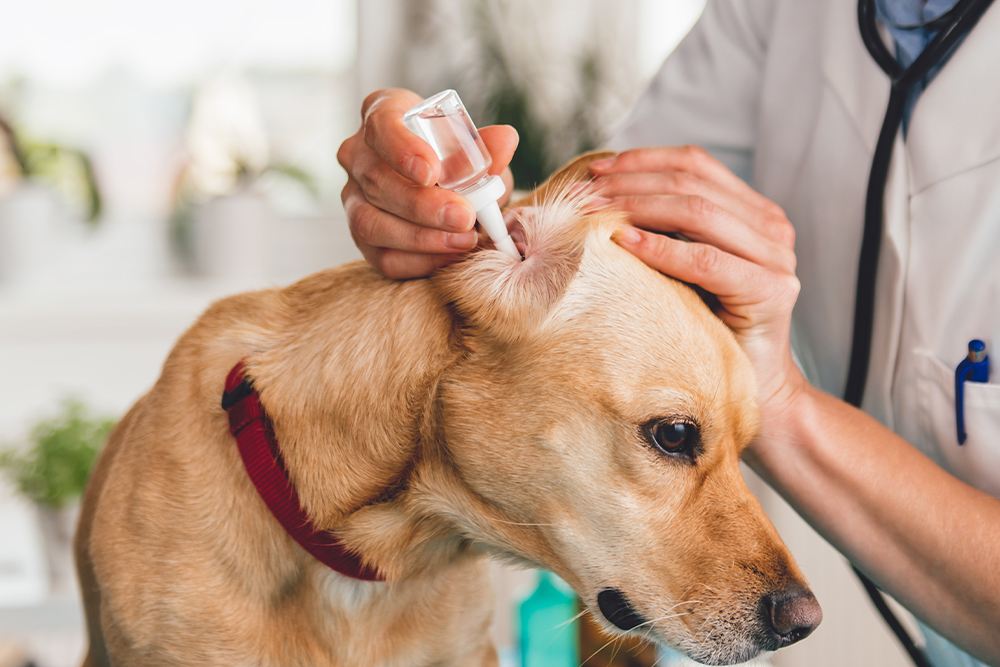
Treatment begins with thorough ear cleaning to remove wax, debris, and discharge. Depending on severity, this may require sedation for a deep clean without discomfort. Topical or oral medications are then prescribed to eliminate bacteria or yeast. It’s critical to complete the full course of treatment even if the ear appears healed early- stopping too soon can allow infection to return or encourage resistant infections to form.
2. Rechecks to Confirm Resolution
Even when the ear looks healthy externally, microscopic infection can linger. Recheck visits allow our veterinarians to confirm that inflammation and infectious organisms are fully resolved, reducing the chance of recurrence. This follow-up care is an important step in preventing chronic disease.
3. Addressing the Root Cause
When ear infections stem from allergies or hormonal issues, we go deeper to provide lasting solutions. Managing food allergies, controlling environmental triggers, or treating endocrine disorders ensures true long-term relief. Occasionally, growths such as polyps must be removed surgically to restore healthy ear function.
4. Advanced Cases
In rare, end-stage cases where the ear canal is irreversibly damaged, total ear canal ablation may be recommended to eliminate chronic pain and infection. Our surgical team prioritizes safety and comfort through comprehensive pain control and state-of-the-art anesthesia monitoring.
If your dog’s ear issues persist, don’t wait for another flare-up- schedule a recheck so we can evaluate healing and adjust treatment as needed.
Long-Term Prevention for Healthy Ears
Once infections are under control, consistent preventive care makes all the difference. Set a regular cleaning routine based on your dog’s needs, especially after swimming or bathing. Keep ears dry, inspect for foxtails, and maintain a balanced diet that supports nutrition for skin health.
Allergy management and routine wellness exams help prevent inflammation before it starts. Our veterinarians can help you design an individualized plan for your dog’s lifestyle, breed, and ear type.
Frequently Asked Questions About Recurrent Ear Infections
Why does my dog’s ear infection come back so quickly?
Most recurrences happen because the underlying cause wasn’t fully resolved- often due to allergies, moisture, or resistant bacteria.
Can foxtails or grass seeds cause ear problems?
Yes, foreign objects like foxtails can lodge in the ear canal, causing irritation, infection, or pain.
Do allergies always cause ear infections?
Not always, but they’re one of the most common root causes. Identifying and managing allergens can drastically reduce flare-ups.
When is surgery necessary?
Surgery is reserved for severe cases where the ear canal is permanently damaged or chronically infected. Most dogs improve with comprehensive medical management first.
How can I prevent future infections?
Routine ear checks, regular cleaning, allergy management, and consistent follow-up care are key to prevention.
If your dog has recurring issues, our veterinary team can help determine why- and develop a custom treatment plan to break the cycle.
Breaking the Cycle for Good
Recurrent ear infections are more than a nuisance- they’re a sign your dog’s ears need deeper attention. The good news is that with the right diagnosis, tailored treatment, and proactive prevention, most dogs find lasting relief.
At Memorial Villages Animal Hospital, we take the time to uncover the why behind every chronic condition. From advanced imaging and lab testing to personalized care plans, our approach ensures every dog gets the gold-standard care they deserve.
If your dog is showing signs of another infection, don’t wait until it worsens- contact us or book online today to schedule a comprehensive ear exam. Together, we can restore comfort, prevent future flare-ups, and give your dog the healthy, happy life they deserve.






Leave A Comment