

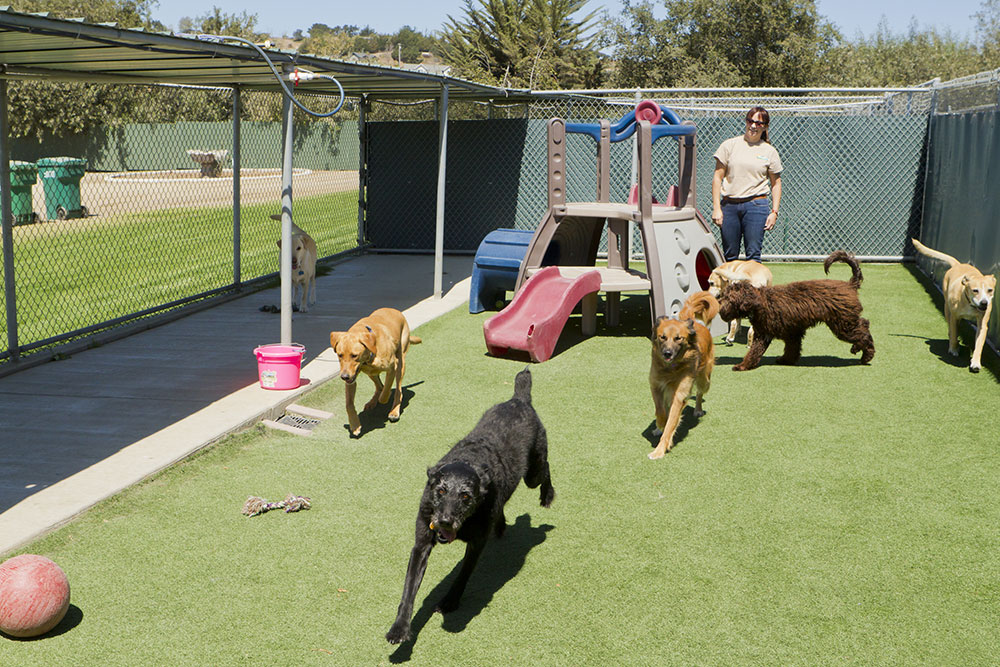
What Makes a Great Dog Daycare? Questions Every Owner Should Ask
Dropping your dog off at daycare for the first time can feel a lot like sending a kindergartner to school. You want them to have a blast, make friends, and come home happy- but you also want to know they’re safe, supervised, and truly cared for while you’re away.
Choosing the right facility means balancing joyful play with solid safety protocols, experienced staff, and genuinely clean spaces. It’s completely normal to feel overwhelmed by the options, especially when you start sorting through health requirements and vaccine policies. The best daycare keeps your dog healthy and protected while they romp and socialize, and finding that place is worth the homework.
At Memorial Villages Animal Hospital in Houston, TX, we help families prepare their dogs for daycare success. Our thorough exams and individualized care plans make sure your dog is protected before they join a playgroup. If you’re getting ready for daycare or need to update preventive care, you can schedule an appointment or check out our community Vaccine Clinic for affordable updates.
What Should You Look For in a Dog Daycare?
A good daycare should be fun and safe in equal measure. Before you commit, there are some essentials worth checking: vaccination requirements, staff-to-dog ratios, supervision style, sanitation practices, and how dogs are grouped for play.
Clear policies and well-trained staff are hallmarks of a quality facility. Look for small, supervised groups with calm introductions rather than a free-for-all. Ask how new dogs are evaluated and eased into play- a good facility won’t just toss your dog into a group and hope for the best. Confirm their cleaning routines, airflow systems, and whether dogs get structured rest breaks throughout the day. And make sure their vaccination policies are specific and actually enforced, not just suggestions.
Our team helps prepare dogs for daycare through preventive care, behavior guidance, and wellness evaluations. If you want help getting your dog truly ready, contact us and we can put together a plan.
What Does Dog Daycare Actually Provide?
At its best, daycare offers structured socialization, physical exercise, and mental enrichment all rolled into one. When done well, it builds confidence, provides a healthy outlet for energy, and can even help dogs relax more at home.
How Structured Socialization Helps Your Dog
Structured play teaches dogs how to interact politely and read social cues from other dogs. It reduces boredom behaviors like excessive barking or destructive chewing, and many dogs come home pleasantly tired and content.
What should you look for? Supervised introductions with calm, gradual meet-and-greets. Predictable routines that help dogs feel secure. Staff who encourage cooperative play rather than letting things devolve into chaotic chasing or roughhousing.
If you’d like guidance on socializing your dog, we can bridge behavior coaching with your dog’s wellness needs. Our team is happy to fold gentle training strategies into medical care when that’s helpful.
Is Daycare Right for Every Dog?
Here’s the honest truth: not every dog enjoys group settings, and that’s completely okay. Some dogs prefer quiet time at home or one-on-one play, and tolerance for group environments varies based on age, health, past experiences, and personality.
Puppies and social adult dogs often thrive in daycare. Shy or reactive dogs may find it overwhelming rather than fun. Seniors or dogs with chronic pain might do better with shorter, calmer sessions- or may prefer skipping group play altogether.
A thoughtful temperament evaluation is essential to figure out where your dog fits best. We provide wellness exams and individualized readiness assessments so you can choose a setting that truly matches your dog’s comfort level and health needs.
How Can You Tell If a Daycare Is Well-Run?
A quick tour reveals a lot. You’re looking for thoughtful safety standards, transparent policies, and staff who genuinely seem to care about the dogs in their charge.
Signs of Quality You Can Spot During a Visit
Start by asking questions and watching what happens in real time. How are staff trained, and what’s the supervision ratio? How do they prevent conflicts before they escalate? Watch how dogs are grouped- ideally by size, temperament, and energy level rather than just tossed together.
Sanitation should be obvious when you walk in: clean floors, fresh water bowls, and tidy rest areas. Ask about structured rest breaks to prevent overstimulation (yes, dogs need downtime too). Find out their policies on toys, since shared toys can sometimes trigger resource guarding. And ask how they handle special cases- seniors, dogs on medications, or pups recovering from surgery or illness.
Need help preparing your dog before a tour or trial day? Our veterinarians can guide vaccine timing, behavior readiness, and any medical considerations. Book online to set up a pre-daycare evaluation.
What Does Healthy Play Actually Look Like?
Watching dogs interact tells you a lot about how well a facility supports safe play. Balanced, healthy play features loose bodies, wiggly hips, play bows, and frequent natural pauses. Dogs take breaks on their own- a good shake-off or brief separation- to regulate their energy levels. Staff should be actively watching and ready to adjust pairings or step in early when things get too intense.
Learning to read canine body language makes it easier to spot comfort versus stress in a playgroup. Facilities that practice safe group play will have controlled introductions and quick interventions when needed.
If you’re unsure how your dog will do in a group setting, a pre-daycare exam with our team can give you personalized guidance.
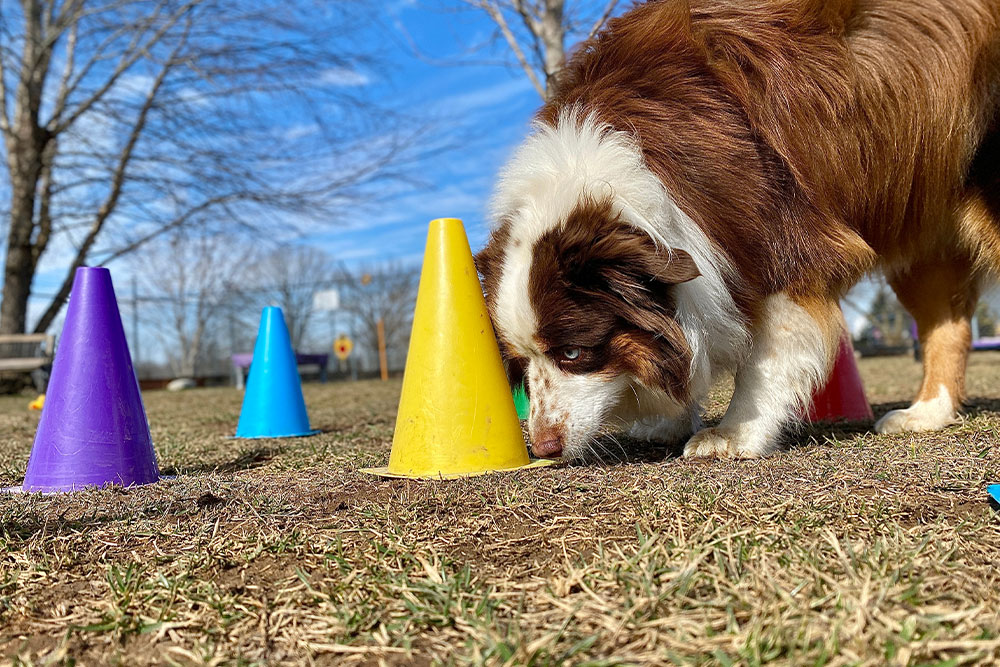
What Vaccines and Preventives Do Daycares Require?
Most daycares require core vaccinations and year-round parasite prevention. These policies exist to protect your dog and every other dog they’ll be playing with.
Typical Requirements
Expect to see requirements for rabies, DHPP (or DAPP), and Bordetella. Many facilities also require or strongly recommend canine influenza vaccination, and leptospirosis is increasingly common on the list. Year-round heartworm, flea, and tick prevention is standard.
Routine fecal testing helps catch intestinal parasites that can spread silently in shared spaces. And if your dog was recently sick, most facilities require a symptom-free waiting period before they can return to group play.
We tailor vaccine timing for busy daycare schedules, balancing your dog’s medical history with their actual risk factors. For affordable updates, visit our Vaccine Clinic, or schedule comprehensive wellness care and preventive services to set your dog up for daycare success.
What Contagious Diseases Should You Know About?
Group environments can expose dogs to infectious diseases. Well-run facilities reduce risk through vaccination policies, good ventilation, thorough sanitation, and prompt isolation of sick dogs- but it helps to know what’s out there.
Parvovirus: Serious Business for Young Dogs
Parvovirus spreads through contaminated surfaces and feces, and puppies and undervaccinated dogs are especially vulnerable. Watch for vomiting, bloody or watery diarrhea, lethargy, and loss of appetite. If you suspect exposure, immediate veterinary care is critical.
Puppies absolutely need socialization- but it has to be done safely. Avoid traditional daycare until your puppy has completed their full vaccine series. Instead, look for puppy-only playgroups that heavily emphasize vaccination requirements, cleanliness, health checks, and easily sanitized flooring. Steer clear of dog parks and unfamiliar dogs with unknown health histories. And wait until your puppy has had at least one vaccine before any group play at all.
We provide urgent care during regular hours and can coordinate diagnostics and hospitalization when needed through our emergency and urgent care services.
Leptospirosis: A Risk in Wet Environments
Leptospirosis is caused by bacteria found in water or soil contaminated by wildlife urine (or urine from infected dogs). It can cause serious illness in dogs and can also infect people.
Exposure risks increase with outdoor play areas, puddles, or shared water sources. Signs may include fever, lethargy, vomiting, and changes in urination. Vaccination is recommended, especially in areas with standing water or wildlife activity- which includes much of Houston.
We can help determine your dog’s risk level and time vaccination appropriately around their daycare schedule.
Oral Papilloma Virus: Those Weird Mouth Warts
Papillomas are wart-like growths that appear in the mouth and spread through direct contact during play. They look like small, pale, cauliflower-like clusters, and play wrestling or shared toys can increase transmission.
Dogs with active lesions are typically kept out of daycare until they resolve. The good news is that papillomas usually go away on their own, though it can take several weeks. We can confirm the diagnosis and provide guidance on when it’s safe to return to group play.
Respiratory Infections: The Daycare Cold
Kennel cough and canine influenza are common in group settings- think of them as the doggy equivalent of kids bringing home every cold from preschool. Good ventilation, vaccine requirements, and quick isolation of symptomatic dogs help limit spread.
Symptoms typically include coughing (sometimes with a honking quality), sneezing, nasal discharge, fever, and lethargy. Most daycares require Bordetella vaccination and recommend (or require) canine influenza shots. Dogs showing any respiratory symptoms should stay home and be seen promptly.
Understanding the canine respiratory disease complex and canine influenza helps you recognize symptoms and act fast. Our urgent care team can assess breathing concerns, and our digital imaging supports rapid diagnostics when we need a closer look.
What About Parasites and Skin Conditions?
Shared environments require consistent parasite prevention and quick responses when skin issues pop up.
Intestinal Parasites and Giardia
Dogs can pick up intestinal parasites like roundworms or Giardia through contaminated surfaces or water. The tricky part is that many infections are subclinical- your dog might be carrying and spreading parasites without showing any obvious symptoms.
Routine fecal testing is a simple way to protect everyone. Loose stools, weight loss, and intermittent digestive issues may be clues, but testing catches problems that symptoms miss. Year-round preventives reduce risk and help keep the whole daycare community safer.
Our on-site lab makes fecal testing quick and easy, and we fold results into personalized prevention plans.
Ringworm, Fleas, and Mange
Skin conditions spread quickly when dogs are in close contact. Early detection and immediate treatment prevent outbreaks.
Ringworm is actually a contagious fungal infection (not a worm at all), and it can spread to people in your household. Fleas can transmit tapeworms and trigger miserable allergic skin reactions. Sarcoptic mange causes intense itching and is highly contagious between dogs.
If you notice hair loss, excessive scratching, or unusual skin changes, keep your dog home from daycare and reach out for evaluation. Our diagnostics and individualized treatment plans help resolve problems quickly so your dog can get back to safe play.
What About Injuries During Play?
Even well-managed play can lead to minor injuries- it’s just the nature of dogs being dogs. Quick recognition and timely care keep small setbacks from becoming bigger problems.
Eye Irritation and Conjunctivitis
Dust, debris, and enthusiastic play can irritate eyes, causing conjunctivitis or even corneal ulcers. Redness, squinting, discharge, or pawing at the face all suggest your dog needs an exam.
Don’t wait on persistent squinting or sudden cloudiness, and avoid the temptation to try home remedies that might make things worse. Eye issues can escalate quickly without proper treatment.
We offer same-day evaluations during regular hours, and our imaging capabilities help when we need a deeper look.
Bite Wounds and Scratches
Even friendly dogs have disagreements sometimes. The problem with bite wounds is that they often look minor on the surface but can seal over and trap bacteria underneath.
Watch for swelling, pain, puncture marks, or oozing. Delayed treatment significantly increases the risk of infection and abscesses, and sometimes imaging is needed to assess depth or locate foreign material.
If your dog comes home with an injury, our emergency and urgent care team can triage quickly and determine what level of care is needed.
How Can You Set Your Dog Up for Daycare Success?
A little preparation goes a long way toward making daycare easier on your dog and safer for the whole group.
Trial Sessions and Honest Communication
Most good facilities start with a trial day or temperament evaluation. When you’re filling out intake forms or talking to staff, honest disclosure helps everyone make smart decisions.
Share any behavioral quirks, anxieties, or triggers your dog has- there’s no judgment, and the staff needs to know. Mention mobility issues, chronic pain, or recent medical care. Provide clear information about feeding schedules, medications, and rest preferences.
Our clinicians can evaluate your dog’s comfort, pain levels, and fitness for group play, and we can coordinate behavior guidance alongside medical care. If you’d like a readiness check before daycare starts, contact us and we’ll tailor a plan to your dog.
Build Positive Associations Gradually
Throwing your dog into a full day of daycare right away can be overwhelming. Short, calm visits help them adjust and build confidence.
Start with brief sessions and gradually lengthen them over time. Keep your own energy relaxed during drop-off- dogs pick up on our emotions, and a dramatic goodbye can ramp up their anxiety. For older dogs, plan for slower warm-ups and make sure the facility can accommodate any mobility needs.
We combine pain management, rehabilitation, and wellness strategies so dogs of all ages can participate comfortably. If your dog needs extra support, our services can align medical care with your daycare goals.
How Does Your Veterinarian Fit Into Daycare Prep?
When veterinary insight meets a well-run daycare, dogs truly thrive. We update vaccines, screen for parasites, assess temperament and physical readiness, and provide the documentation facilities require. We can also advise on behavior plans, timing of introductions, and when it’s safe to return after an illness.
If you’re ready to prepare your dog for daycare, schedule an appointment or contact us with your questions. Our team is here to make the process clear and reassuring, with thorough exams and individualized care plans.
The goal is simple: safe play, healthy dogs, and peace of mind for you.






Leave A Comment