

Starting Strong: Parasite Prevention in the First Year
The first weeks and months of a puppy or kitten’s life involve a lot of veterinary visits, and deworming is one of the components that deserves more explanation than it usually gets. Many owners hear “they need to be dewormed” and follow the instructions without quite understanding why the treatment is repeated at specific intervals rather than given once. The answer lies in the life cycles of the parasites themselves. Roundworm larvae can remain dormant in tissue and reactivate, heartworm prevention should begin early, and some parasites require more than one treatment round to fully clear.
Memorial Villages Animal Hospital in Houston approaches every aspect of puppy and kitten care with the uncommonly thorough philosophy that defines their practice. Our wellness services incorporate parasite prevention into a comprehensive, individualized early-life care plan, and our team ensures owners understand the reasoning behind every recommendation. Contact Memorial Villages Animal Hospital to establish care for a new puppy or kitten.
Why Deworming Can’t Wait for Visible Signs
Most people assume that if something is wrong, they’ll be able to tell. With intestinal parasites, that assumption breaks down quickly. The majority of infected puppies and kittens show no obvious signs until the parasite burden is already substantial. By the time a pet looks sick, the infection has had weeks or months to affect growth, development, and organ health.
Starting deworming early, before symptoms appear, is the only way to interrupt this cycle at the right time.
The Real Damage Parasites Do During Growth
Young pets have immature immune systems and small energy reserves, making parasite infections significantly more disruptive than they would be in an adult. Every nutrient a worm takes is a nutrient that should be supporting bone development, muscle growth, and immune maturation.
Diarrhea, poor coat condition, and a rounded abdomen are common in infected puppies and kittens, but even pets who look fine externally can carry meaningful worm burdens. Roundworms and hookworms pose particular risks: roundworms can cause respiratory symptoms and intestinal obstruction in heavy infections, while hookworms consume blood and can cause life-threatening anemia in very young animals. The in-house laboratory at Memorial Villages Animal Hospital supports fast, accurate baseline testing as part of every new puppy and kitten visit.
Which Parasites Are We Actually Talking About?
Roundworms and Hookworms
Roundworms are the most common intestinal parasite in young pets. They can be transmitted from mother to offspring before birth or through nursing, meaning kittens and puppies can arrive already infected. Roundworm eggs persist in soil for years, making reinfection from the outdoor environment easy even after successful treatment.
Hookworms are smaller but cause disproportionate harm through blood loss. Pale gums, weakness, and lethargy in a very young pet should always prompt a parasite check. These parasites can also penetrate human skin on contact, which makes household management important.
Whipworms and Tapeworms
Whipworms affect dogs and tend to become a concern as puppies start spending more time outdoors. They cause chronic, often intermittent digestive symptoms and can be missed on routine fecal testing due to inconsistent egg shedding. Tapeworms enter pets by ingesting infected fleas, and understanding flea life cycles helps explain why eliminating tapeworms requires addressing fleas in the environment simultaneously. Tapeworm segments look like small grains of rice and may be visible near the tail or in bedding. Year-round flea prevention from Memorial Villages breaks both cycles at once.
Coccidia and Giardia
Coccidia and giardia are single-celled organisms that aren’t covered by standard dewormers and require specialized fecal testing to identify. Both cause watery diarrhea, dehydration, and poor weight gain, and both are common in shelter and rescue environments. If your pet came from a group setting, screening for these organisms is a worthwhile early step.
Giardia is particularly hard to get rid of, as pets can reinfect themselves by licking their rear end or through contact with their own feces. Giardia prevention during and after treatment includes bathing the pet at the end of the treatment course and removing fecal material from the yard daily to break the recontamination cycle.
Why Fecal Testing Is a Separate, Essential Step
No single dewormer treats every parasite type, and no single fecal test detects everything. Routine fecal flotation identifies eggs from the most common worm species, while more advanced panels, including antigen testing and PCR methods, improve detection for organisms that shed inconsistently or require specific identification. Fecal testing as a baseline establishes what is actually present so treatment can be targeted rather than guesswork.
Additional testing is particularly useful when:
- Symptoms persist despite treatment
- The pet was recently in a shelter, boarding facility, or dog park
- Multiple pets share a household and one has a confirmed infection
The Deworming Schedule: Timing Is the Point
Birth Through 16 Weeks
The standard protocol calls for deworming every two weeks through sixteen weeks or until the fecal test is negative. This schedule is designed specifically around parasite life cycles. A single treatment eliminates adult worms currently present but has no effect on larvae and immature stages still developing in tissue. Those developing parasites will mature into adults within weeks, and the next scheduled dose is timed to address them before they can reproduce.
Skipping doses or spacing treatments too far apart allows a new generation to establish between rounds. The vaccine clinic and early wellness visits at Memorial Villages build the deworming schedule into a coordinated care plan from the start.
Moving to Year-Round Prevention
Year-round parasite prevention is the current standard of care. In Houston’s warm, humid climate, many parasites remain active throughout the year, and gaps in coverage create real vulnerability. Heartworm prevention is especially critical in the Gulf Coast region, where mosquito activity is high and regional parasite prevalence data consistently shows elevated heartworm rates. Monthly combination products that cover heartworm alongside intestinal parasites simplify the prevention plan.
The pharmacy at Memorial Villages carries dog heartworm prevention and cat heartworm prevention, as well as flea and tick prevention for dogs and flea and tick prevention for cats. The team will help identify the right combination based on each pet’s species, size, and lifestyle.
Regular fecal testing remains valuable even for pets on monthly preventives, since no product covers every parasite type and some organisms require additional screening to detect.
How Lifestyle Shapes Parasite Risk
Prevention and testing frequency should be calibrated to how each pet lives. Pets with regular outdoor access, those that hunt, are around livestock, and those that visit dog parks or boarding facilities face higher exposure than homebodies. Pets living in multi-animal households where one animal has a confirmed infection need more frequent screening. The Houston area’s warm weather and dense urban green spaces create consistent year-round exposure to multiple parasite types.
Discussing your pet’s daily routine during a wellness visit at Memorial Villages allows the team to build a prevention and testing schedule that fits the actual risk profile rather than a generic protocol.

Protecting Your Household Too
Several common pet parasites are zoonotic, meaning they can infect people. Zoonotic parasites including roundworms and hookworms pose real risk to children who play in contaminated soil or handle pets without washing hands afterward. Practical steps to reduce household exposure:
- Remove pet waste promptly and seal it before disposal
- Wash hands after handling pets, especially before meals
- Cover sandboxes when not in use
- Keep children from putting soil or outdoor objects near their mouths
If you or a family member are immunocomprised, or there are kids in the household, extra precautions can prevent potential issues.
What to Expect at Deworming Appointments
Deworming visits at Memorial Villages are brief and straightforward. Each appointment includes a physical exam, a weight check for accurate dose calculation, and selection of the appropriate medication based on the pet’s age, species, and what testing has found.
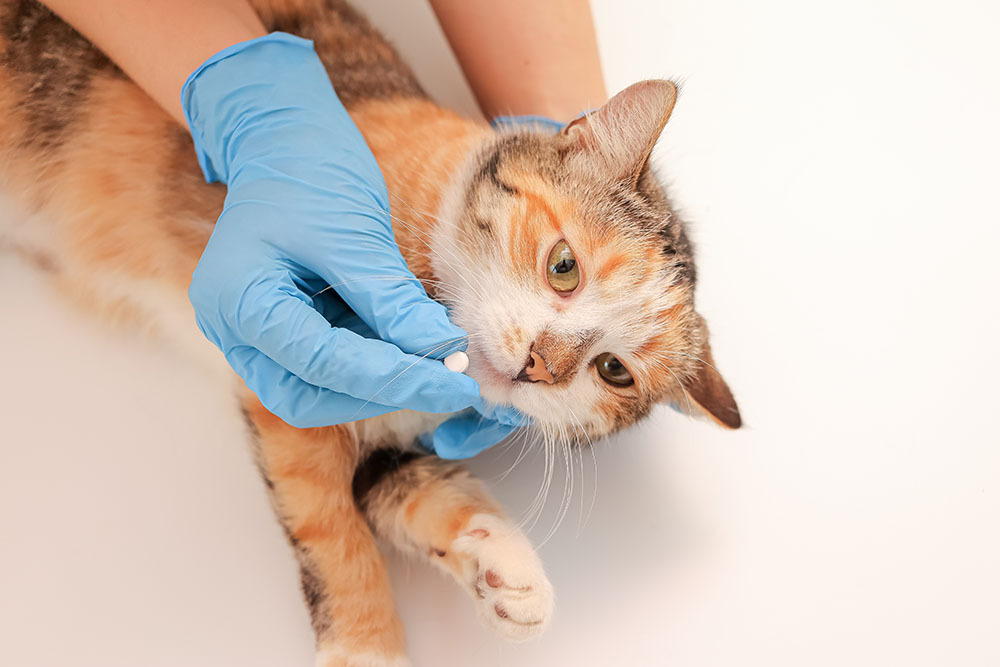
Medications are available as liquids for very young animals, chewables for cooperative patients, and topical or injectable applications for those who resist oral dosing. Mild side effects such as soft stool or a temporary decrease in appetite are normal and typically resolve within a day or two. Seeing dead worms passed in the stool is also possible, but not seeing worms doesn’t mean the treatment didn’t work- many are too small to see with the naked eye. Contact the clinic if your pet experiences persistent vomiting, severe or bloody diarrhea, or significant lethargy after treatment.
Memorial Villages is equipped for emergency situations during regular business hours. If a concern arises, calling ahead allows the team to prepare for your arrival.
Frequently Asked Questions About Deworming Puppies and Kittens
How do I know if my puppy or kitten has worms?
Common signs include a round or bloated belly, loose or irregular stool, poor coat quality, weight loss despite eating well, and visible worms or segments in stool. Many infected pets show none of these signs, which is why routine fecal screening is recommended regardless of how healthy a pet appears.
Do indoor-only pets need to be dewormed?
Yes. Parasites can enter the home on shoes, through insects, or via contact with other animals. Protozoal parasites in particular survive on surfaces and don’t require direct outdoor access to spread.
Can my family get parasites from our pet?
Several common pet parasites are transmissible to people. Consistent prevention, prompt waste removal, and good handwashing habits significantly reduce household risk.
Why is year-round prevention necessary in Houston?
Houston’s climate supports year-round mosquito, flea, and tick activity, which means parasite exposure never fully stops. Heartworm prevention must be continuous to be effective, and gaps create real risk.
My pet is on a monthly preventive. Why do they still need fecal tests?
Monthly preventives reduce risk substantially but don’t cover every parasite type. Giardia and coccidia, for example, are not addressed by most monthly preventives. Testing confirms the prevention is working and catches organisms that require additional treatment.
The Right Start Makes All the Difference
Early, repeated deworming clears existing parasites. Monthly prevention stops reinfection. Regular fecal testing confirms everything is working. Together, these three components give a puppy or kitten the cleanest possible start.
The team at Memorial Villages Animal Hospital tailors every early-life care plan to the individual pet, accounting for their origin, lifestyle, and household environment rather than applying a generic protocol. When only the best will do, that kind of thoroughness is exactly what your pet deserves. Book online or contact our team to get your new pet’s parasite prevention plan in place.








Leave A Comment