


The Full Picture: Why Spaying and Neutering Protect Your Pet’s Health
You want what’s best for your dog or cat, their ultimate safety, happiness, and health. But sometimes, when they reach sexual maturity, you might start noticing heat cycles and certain challenging behaviors, like excessive marking or restlessness, that can make life difficult for both of you. Deciding whether to spay or neuter is a significant decision, but these common, straightforward procedures offer powerful solutions. They are crucial for preventing serious health issues, easing behavioral stress, and ensuring your pet can live a longer, more balanced life.
At Memorial Villages Animal Hospital, our team provides compassionate, expert guidance to help pet parents make confident choices about spay and neuter timing. With our advanced surgical services and uncommonly thorough pre-anesthetic and recovery care, we ensure every patient receives the gold-standard experience- because your pet deserves nothing less.
Spaying and Neutering Benefits: Saving Lives
Spaying and neutering go far beyond preventing unwanted litters. These procedures reduce disease risks, balance hormones, and improve overall well-being. They also benefit the broader Houston community by reducing shelter crowding and stray-related injuries. By minimizing the number of homeless pets, these surgeries help limit the spread of contagious diseases and improve community animal welfare overall. In Houston, licensing costs for pets are also significantly higher if they haven’t been spayed or neutered.
At Memorial Villages Animal Hospital, each procedure is supported by precise anesthetic monitoring, individualized pain management, and attentive recovery care. Our veterinary surgery team treats every patient as unique, tailoring protocols to breed, size, and medical history. We’re dedicated to transparency, walking clients through every step, from pre-surgical testing to post-operative follow-up, so you always know what to expect.
How Spaying and Neutering Help Homeless Pets and Animal Shelters
Every year, millions of dogs and cats enter animal shelters across the United States, and sadly, many never find homes. The homeless pet crisis stems largely from uncontrolled breeding, with each unspayed female capable of producing multiple litters annually. These animals face uncertain futures, with many experiencing hunger, disease, injury from traffic, and exposure to harsh weather conditions. Shelter overcrowding means that even healthy, adoptable pets may be euthanized simply due to lack of space and resources.
Spaying and neutering directly address this crisis by preventing unplanned litters before they occur. When pet owners take responsibility for sterilizing their animals, they help reduce the number of puppies and kittens born into homelessness. This creates more shelter space for animals who truly need rescue, increases adoption rates, and allows rescue organizations to dedicate more resources to rehabilitation, medical care, and behavior training.
Health Benefits of Spaying and Neutering Your Pet
Cancer Prevention and Reproductive Disease Risk Reduction in Dogs and Cats
Spaying or neutering is one of the most effective ways to prevent life-threatening reproductive disorders. Spayed females have a dramatically lower risk of mammary tumors in dogs and mammary tumors in cats– cancerous tumors that are often malignant and aggressive. Removing the ovaries and uterus also eliminates the possibility of pyometra, a severe infection that can rapidly become fatal.
Neutered males avoid the risk of testicular tumors and reduce the likelihood of prostate enlargement and infections, both of which can cause pain, urinary issues, or systemic illness. These benefits translate to fewer emergency visits, less long-term medication, and more years of vitality. Our hospital’s commitment to preventive and urgent care ensures that any reproductive concern is handled swiftly and safely.
Increased Pet Longevity: How Spaying and Neutering Extend Lifespan
Studies show that spayed and neutered pets tend to live longer, healthier lives. By eliminating hormone-driven conditions and reducing the urge to roam or fight, pets experience fewer traumatic injuries and infectious exposures. Sterilized animals are also less likely to suffer from hormone-influenced diseases, such as perianal tumors or uterine cysts. Routine wellness exams help us track long-term health, weight, and metabolic balance so your pet stays thriving well into their senior years.
Behavioral Improvements After Spaying and Neutering
How Neutering Reduces Aggression, Marking, and Roaming in Pets
Hormones influence much more than reproduction- they also drive behaviors like marking, aggression, roaming, and excessive vocalization. Neutering can calm dominance-related aggression and territorial urine spraying in cats, while spaying eliminates the anxiety and agitation linked to heat cycles. Pets who no longer feel the pull of reproductive hormones are often less likely to escape, wander, or get into fights with other animals.
Our veterinarians may also recommend behavioral counseling or anxiety management strategies to further support emotional balance. With consistent training, your pet will likely become more focused, confident, and cooperative- improving the bond you share at home.
When to Spay or Neuter Your Pet: Timing Guidelines
Best Age to Spay or Neuter Dogs and Cats by Breed and Size
The ideal timing for surgery depends on your pet’s breed, size, and overall health. In general:
- Cats: 4–6 months
- Small-breed dogs: around 6 months
- Large-breed dogs: 12–18 months
Early sterilization provides important health and behavioral advantages, but in some large breeds, slightly delaying surgery may support joint development. During your pet’s wellness consultation, our veterinarians will evaluate growth, lifestyle, and risk factors to recommend the safest timing.
What to Expect During Spay and Neuter Surgery: Safe, Monitored Care
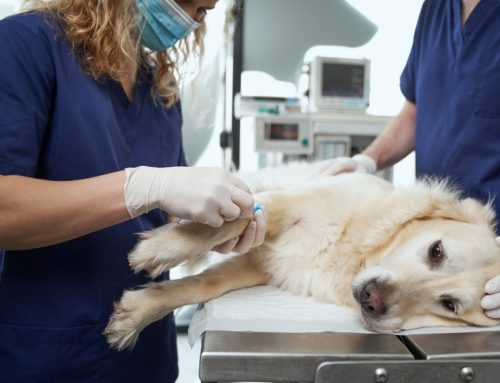
Spay and neuter procedures are routine but deserve exceptional precision. Our hospital performs thorough pre-surgical lab testing, individualized anesthesia planning, and continuous monitoring throughout surgery. Using advanced monitoring equipment- such as ECG, pulse oximetry, and temperature tracking- we ensure your pet’s vital signs remain stable. With an on-site lab and advanced imaging, we verify internal health before every operation. Our pain management approach ensures comfort before, during, and after recovery. We offer cold laser therapy to speed tissue healing and decrease post-operative pain and inflammation.
Post-Surgery Recovery and Aftercare for Spayed and Neutered Pets
Tips for Helping Your Pet Recover After Spay or Neuter Surgery
Most pets recover quickly after spaying or neutering, but the first 10–14 days require gentle care. Limit activity to leash walks only, prevent licking, and monitor the incision for redness or swelling. Using the right post-op aids can make a difference- these dog cone comfort and crate resting tips help ensure a smoother recovery. We also recommend soft bedding, a quiet space for rest, and regular check-ins to assess healing progress. Our team provides clear discharge instructions and offers urgent care support if any concerns arise.
Long-Term Wellness and Preventive Care After Surgery
After recovery, consistent preventive care keeps your pet in top shape. Annual wellness care, vaccine boosters, and nutritional guidance help maintain strength and vitality. Monitoring your pet’s weight and energy levels post-surgery helps detect any metabolic changes early. Our veterinarians tailor long-term care to each stage of life, from playful puppy or kitten visits to senior care plans that support mobility and cognition.

Common Myths About Spaying and Neutering Pets
Will Spaying or Neutering Change My Pet’s Personality?
A common worry among pet parents is that their pet’s personality will change after surgery. The truth is that spaying or neutering does not alter your pet’s affectionate nature- it simply reduces hormone-driven stress. Most pets become more focused and relaxed, enjoying a happier, calmer home life. Their unique quirks and loving traits remain unchanged, though you may notice less frustration or restlessness during play and training.
Does My Pet Need to Have One Litter or Experience Motherhood First?
This is one of the most persistent myths about spaying female pets. The belief that dogs or cats need to experience pregnancy or motherhood before being spayed has no scientific or medical basis. Animals do not have the same emotional concepts about parenthood that humans do, and there is no psychological benefit to allowing a female pet to have a litter.
Will My Male Pet Feel Less Masculine or Miss His Testicles?
Male pets do not have a sense of gender identity or self-image tied to their reproductive organs. Dogs and cats lack the self-awareness to notice or mourn the loss of their testicles after neutering. The concept of masculinity is a human construct that does not apply to animals.
Will My Pet Gain Weight After Being Spayed or Neutered?
Some owners worry their pet might gain weight after surgery, but this is easily managed through a balanced diet and activity. As pets age, their metabolism naturally slows. Because the spay or neuter procedure is typically performed when pets are reaching young adulthood, the surgery is often blamed for weight gain- when in reality, it’s just a normal part of maturing. Following a pet weight check guide and providing proper nutrition ensures your pet stays lean and active at every age. Adjusting calorie intake after surgery and maintaining daily playtime will help preserve a healthy metabolism.
Protecting Your Pet’s Health and Future
Spaying and neutering are among the most loving choices you can make for your pet. They prevent disease, promote longevity, and support balanced behavior- empowering your pet to live their best life by your side.
If you’re considering spay or neuter surgery, the compassionate team at Memorial Villages Animal Hospital is here to guide you through every step. Schedule your appointment online or contact us to discuss your pet’s individual care plan. Together, we’ll make sure your best friend receives only the best medicine- because when it comes to family, only the best will do.






Leave A Comment