


More Than a Number: Why We Use Body Condition Scores Instead of Just Weight
Many pet parents are surprised to learn that a healthy weight isn’t defined by a number on the scale. At Memorial Villages Animal Hospital, we rely on body condition scoring to understand how a pet’s fat and muscle are distributed, giving us a clearer, more complete picture of long-term health. This simple hands-on assessment helps us identify early changes that could affect mobility, comfort, or underlying medical conditions. Because our exams are intentionally uncommonly thorough, we include BCS as part of our routine evaluations, track it over time, and further investigate concerns when needed.
If you’re unsure whether your dog, cat, or exotic pet is at an ideal weight, our veterinarians are here to guide you with individualized recommendations tailored to your pet’s lifestyle and medical history. Whether your pet may benefit from nutritional counseling, targeted therapies, or additional diagnostics, we’re committed to providing a new gold-standard of care at every visit. You can book an appointment online to have your pet’s body condition professionally assessed and begin a personalized plan that supports their healthiest, happiest life.
What Makes Body Condition Scoring More Accurate Than Weight Alone?
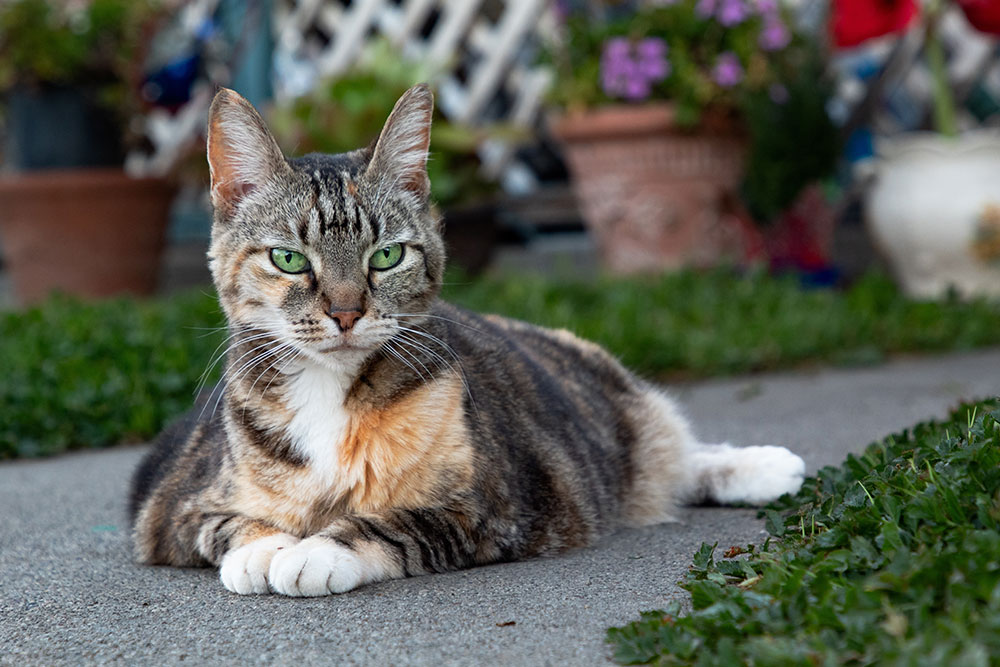
Weight tells only part of the story. A twenty-pound cat made mostly of fat faces very different health risks than a twenty-pound cat with strong muscle. Body condition scoring looks at where fat sits and how much muscle supports the body, giving a fuller picture than the scale alone.
It’s also breed-aware. A lean Border Collie should look athletic, while a Bulldog naturally has a stockier build. Using BCS, we spot early signs of problems like arthritis, diabetes mellitus, and heart disease before they progress.
During our thorough wellness exams, we include body condition evaluation and pair it with on-site lab work and digital imaging when needed to guide a personalized plan.
How Does the Nine-Point Body Condition Scale Work?
The nine-point BCS scale helps everyone speak the same language about body composition. Here’s a simple guide:
- Severely underweight (BCS 1–2): Ribs, spine, and hips are visible; no fat; obvious muscle loss.
- Underweight (BCS 3): Ribs are easy to feel; waist is sharp; belly is very tucked.
- Ideal (BCS 4–5): Ribs are easy to feel with a thin fat cover; clear waist; slight belly tuck.
- Overweight (BCS 6–7): Ribs are hard to feel; little to no waist; fat pads appear.
- Obese (BCS 8–9): Ribs cannot be felt; no waist; belly is round; heavy fat deposits.
Quick at-home check: you should feel ribs without pressing hard, see a waist from above, and a belly that tucks up from the side. Unsure where your pet lands? Our team can show you the feel-and-look method during a routine exam.
Why Does Your Pet’s Weight Status Actually Matter?
What health problems come from carrying too much or too little weight?
Extra weight stresses joints, raising the risk of arthritis and conditions like intervertebral disc disease. It disrupts hormones and blood sugar regulation, increasing the chance of diabetes, systemic hypertension, and heart disease. Overweight pets also have higher rates of urinary stones, anesthesia risks, and heat stroke, especially in hot climates.
Underweight pets can struggle with temperature regulation, weaker immune systems, and muscle loss that affects mobility and organ support.
Can You Assess Your Pet’s Body Condition at Home?
A hands-on guide to checking your pet’s body condition score
Use your hands and eyes: Feel the ribs with your thumbs on the spine and fingers on the ribcage. Ribs should be easy to feel but not sharp.
- Hand test: Feel your hand’s bones as a way to know what ribs should feel like. Knuckles feel too thin, back of hand feels ideal, palm feels too padded.
- Look from above: an hourglass waist is ideal. From the side: a gentle belly tuck is healthy.
Thick coats can hide shape, so dig your fingers in if needed. Home assessments are helpful, but nothing replaces a professional check. Contact us to confirm your pet’s BCS and learn the technique.
How Should You Feed Your Pet Based on Their Body Condition?
Creating the right nutrition plan for your pet’s current condition
BCS guidelines are only a starting point. Daily needs vary by age, activity, metabolism, and current body condition. A pet calorie calculator can help, but the best results come with professional guidance and regular check-ins.
- For weight loss: higher protein helps maintain muscle; fiber supports fullness; measured meals are key.
- For weight gain: calorie-dense, balanced food builds healthy tissue, not just fat.
- For maintenance: match portions to activity and recheck BCS every few weeks.
Our nutritional counseling considers your pet’s body condition, health, and your routine. We offer specialized diets from Hill’s and Royal Canin to address systemic diseases, including obesity, and we’ll craft a realistic feeding plan and recommend smart supplements when appropriate.
Evidence-based strategies that actually help pets reach healthy weight
Sustainable weight change pairs food management with activity.
Try these:
- Portion control: measure meals; keep feeding times consistent; minimize free-feeding.
- Dogs: combine gradual exercise increases with calorie adjustments. Walks, swimming, games, and training all count. Weight loss for dogs requires consistency with both diet and activity.
- Cats: weight loss must be slow to avoid hepatic lipidosis. Use puzzle feeders, vertical spaces, and daily play. Weight loss for cats should be gradual and carefully monitored.
- Treats: keep them under ten percent of daily calories. Use tiny portions, lower-calorie choices, or swap in play and praise. Carrot sticks, green beans, and apple slices make great lower-calorie treats.
We encourage you to book online for rechecks and BCS follow-ups so we can adjust and celebrate progress.
What Misconceptions Do Pet Owners Have About Weight?
The most common mistakes people make about pet weight
Food often feels like love, but constant treats and full bowls can shorten lifespans. Chubby doesn’t mean healthy. Extra weight causes joint pain, breathing issues, and lower stamina, even when pets seem happy.
Worried your pet will feel deprived with smaller portions? Many pets value play, training, and attention as much as snacks. Puzzle feeders, short training bursts, and extra walks boost happiness without adding calories. We can help you build routines that strengthen bonds without relying on food.
Why two pets can weigh the same but have different body conditions
Weight doesn’t tell you muscle vs fat. Two seventy-pound Labs can look identical on the scale but have completely different health profiles. Muscle supports joints, mobility, and a healthy metabolism. As pets age, preserving muscle matters even more.
Breed ideals don’t always equal ideal health for your pet’s lifestyle. That’s why our exams look at fat distribution and muscle condition together.
How Do Veterinarians Support Safe Weight Changes?
Professional assessment and targeted care for weight concerns
Sometimes weight changes come from medical issues, not just diet or activity. Hormones, metabolism, and organ function can all play a role. Our on-site lab testing checks thyroid, glucose, liver and kidney values, and more during your visit. If results point to a concern, we can quickly move to additional diagnostics.
For unexplained weight shifts, our board-certified radiologist performs ultrasounds every two weeks to provide a clearer look at internal organs.
Once medical issues are addressed, we design practical rehab and activity plans to safely build fitness. Our regenerative medicine options, including Platelet Rich Plasma therapy, can support pets limited by arthritis or injury. Cold laser therapy can ease pain and inflammation, helping pets become more active and mobile. Chiropractic and acupuncture care may improve comfort and mobility for pets struggling with joint pain, muscle atrophy, or difficulty with stairs and jumping- all of which can interfere with maintaining a healthy body condition.
Regular monitoring and adjustments as your pet ages
Body condition needs evolve. Puppies and kittens require different nutrition than adults. Seniors often benefit from adjusted portions and gentler exercise. Pets recovering from illness or surgery may need short-term plan changes to support healing.
We reassess BCS at every wellness visit and compare trends over time. Early course-corrections are easier and more effective than big overhauls later. Recommendations shift as your pet’s life changes: the active young dog might one day need smaller portions and joint support, while an arthritic cat may need weight management paired with mobility care.
Scheduled progress checks keep your pet on track and give you space to share what’s working at home and what isn’t. That way, we can tailor the plan to your daily routine.
Quick FAQs
How often should I check my pet’s body condition at home?
Every two to four weeks. Use the rib feel, top-down waist, and side-view belly tuck.
What if my long-haired cat looks round but feels bony?
Go by feel, not fluff. If you feel sharp ribs and little padding, schedule a check. We’ll confirm with a hands-on exam.
Can I use an app or calculator to set portions?
Yes, as a starting point. Use a pet calorie calculator and tweak with your vet based on BCS and energy.
How fast should my pet lose weight?
Dogs: generally gradual weekly losses. Cats: very slow and steady to avoid hepatic lipidosis. We’ll set safe targets together.
My pet begs constantly. What can I do?
Split meals into smaller feedings, add fiber if appropriate, use puzzle feeders, and increase play and training for non-food “rewards.”
Taking the First Step Toward Better Body Condition
Improving your pet’s body condition starts with simple habits. Feel the ribs, look for a waist, and note energy and ease of movement each week. Small, early adjustments to food and activity are easier and more successful than big fixes later.
If something feels off, trust your instincts. A professional BCS and weight trend can catch changes early and keep your pet comfortable and active. Our team builds practical plans that fit real life, from busy schedules to picky eaters.
At Memorial Villages Animal Hospital, we know every pet is unique. We combine hands-on assessment, on-site diagnostics, and supportive therapies to help your pet move better, feel better, and live longer. Contact us today to schedule a comprehensive body condition evaluation or book an appointment online to start a personalized plan. We’re here to guide, support, and be your partner in your pet’s care- so you can worry less and enjoy more time together.





Leave A Comment